The Wild North: Svalbard
Next Departure:
20 -31 July 2027
Experience Svalbard beneath the midnight sun
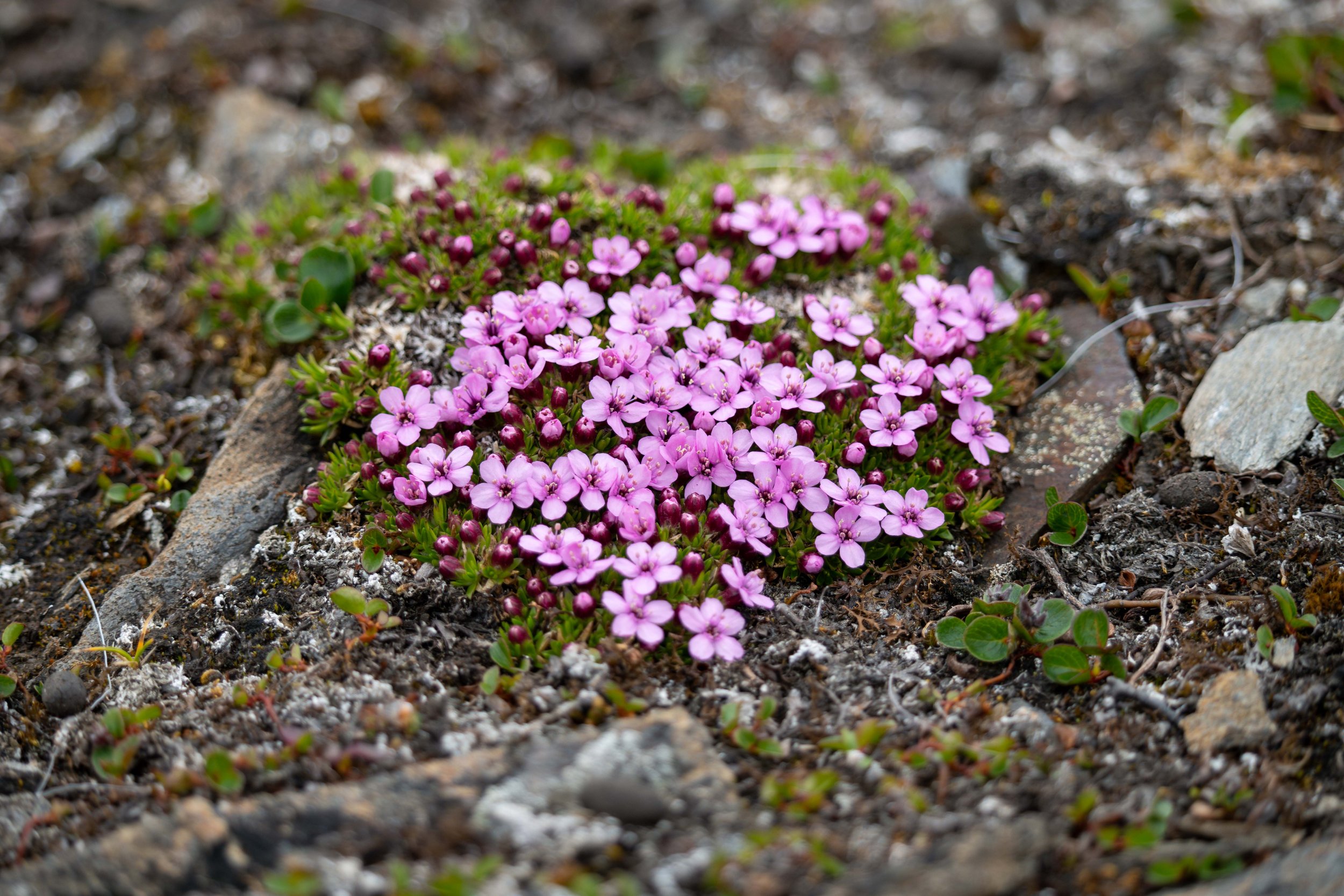
July’s a wonderful time to explore Svalbard. As the winter sea ice retreats, a window opens into the remote eastern reaches of the archipelago. Arctic wildflowers bring the tundra to life, whales move through the open water, and the midnight sun gives us endless daylight to explore this spectacular landscape.
We’ll spend ten nights aboard M/S Quest, a small expedition ship carrying no more than 50 guests. You’ll be travelling with me, Matt Cheok, a naturalist and polar photography guide with a passion for Arctic wildlife and wild places. I regularly work with PolarQuest, the expedition company operating our voyage, and I’ve partnered with them to bring you this opportunity to explore Svalbard together. Along the way, I’ll share my knowledge of the polar environment, help you make the most of wildlife encounters and offer photography tips.
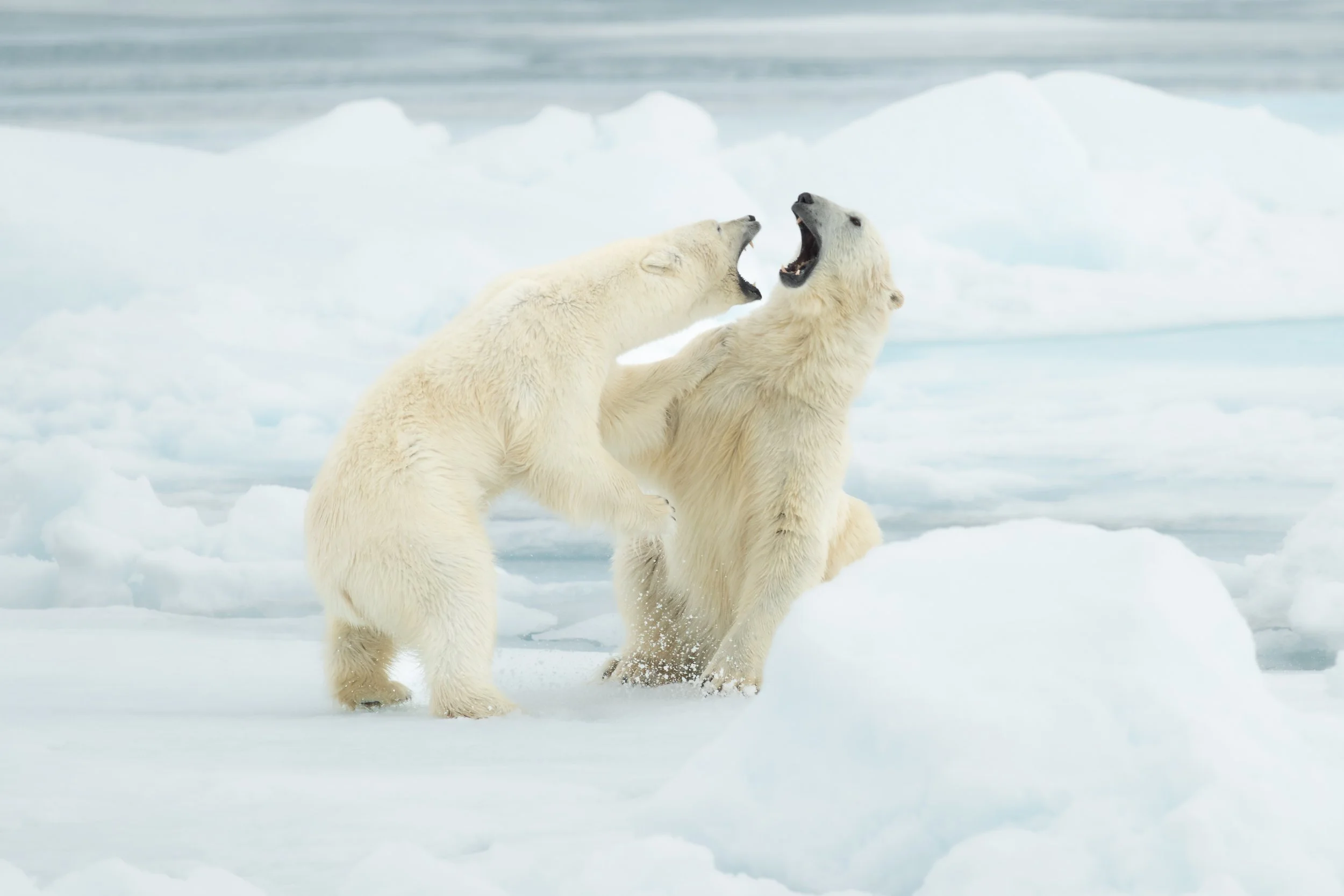
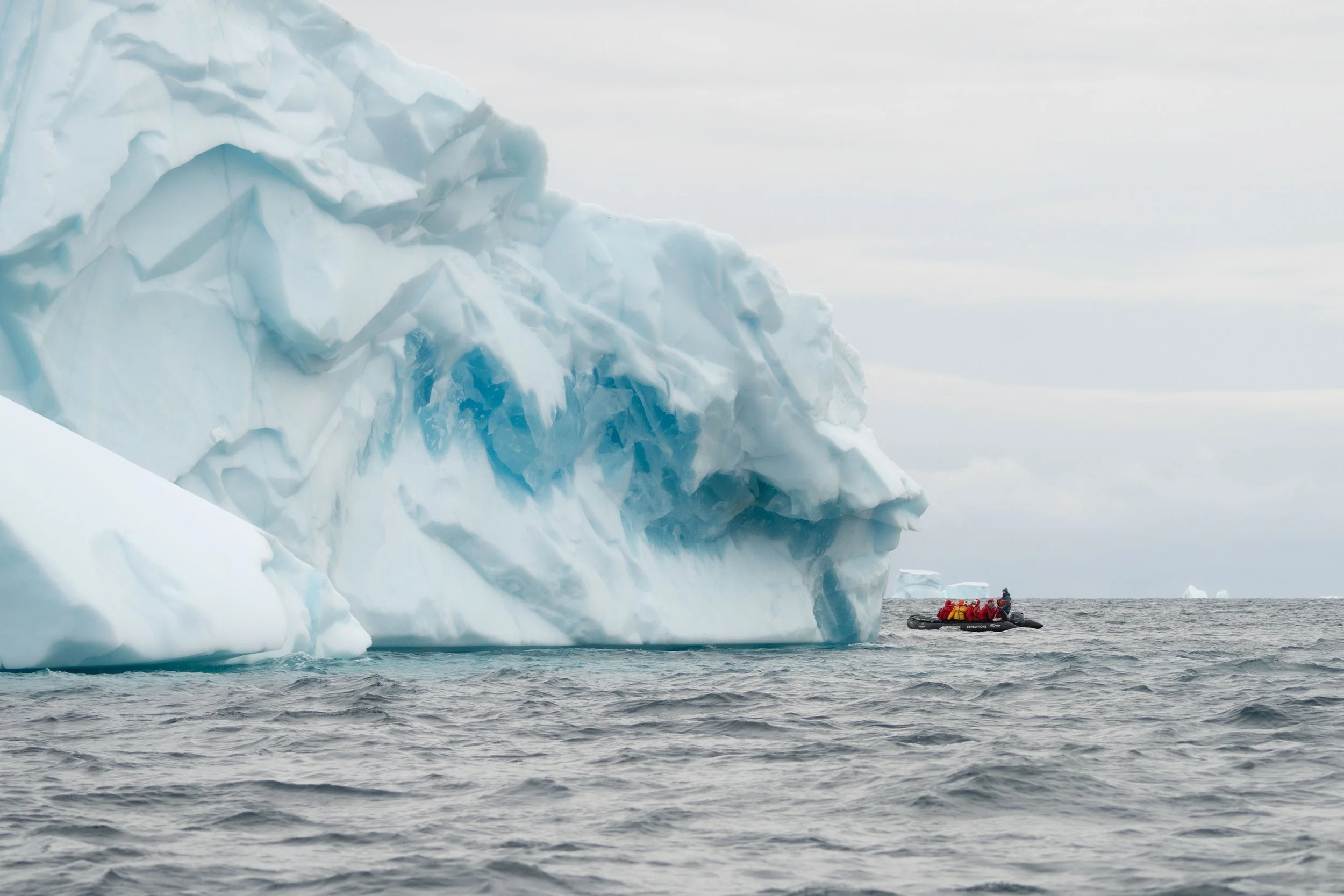
With a small ship and a flexible itinerary, we can adapt to changing conditions, explore by Zodiac and make landings whenever opportunities arise. From scanning the sea ice for polar bears to watching whales surface in the open water, we’ll make the most of each day and discover this remarkable part of the Arctic together.
Trip details
12 days / 11 nights
From US$9,790 per person, subject to availability
Pricing varies by cabin type and occupancy.
25% deposit to secure your place
Get in touch for current cabin availability and full booking details.
All bookings are subject to PolarQuest’s booking conditions and terms of travel.
Voyage Dates
20 -31 July 2027
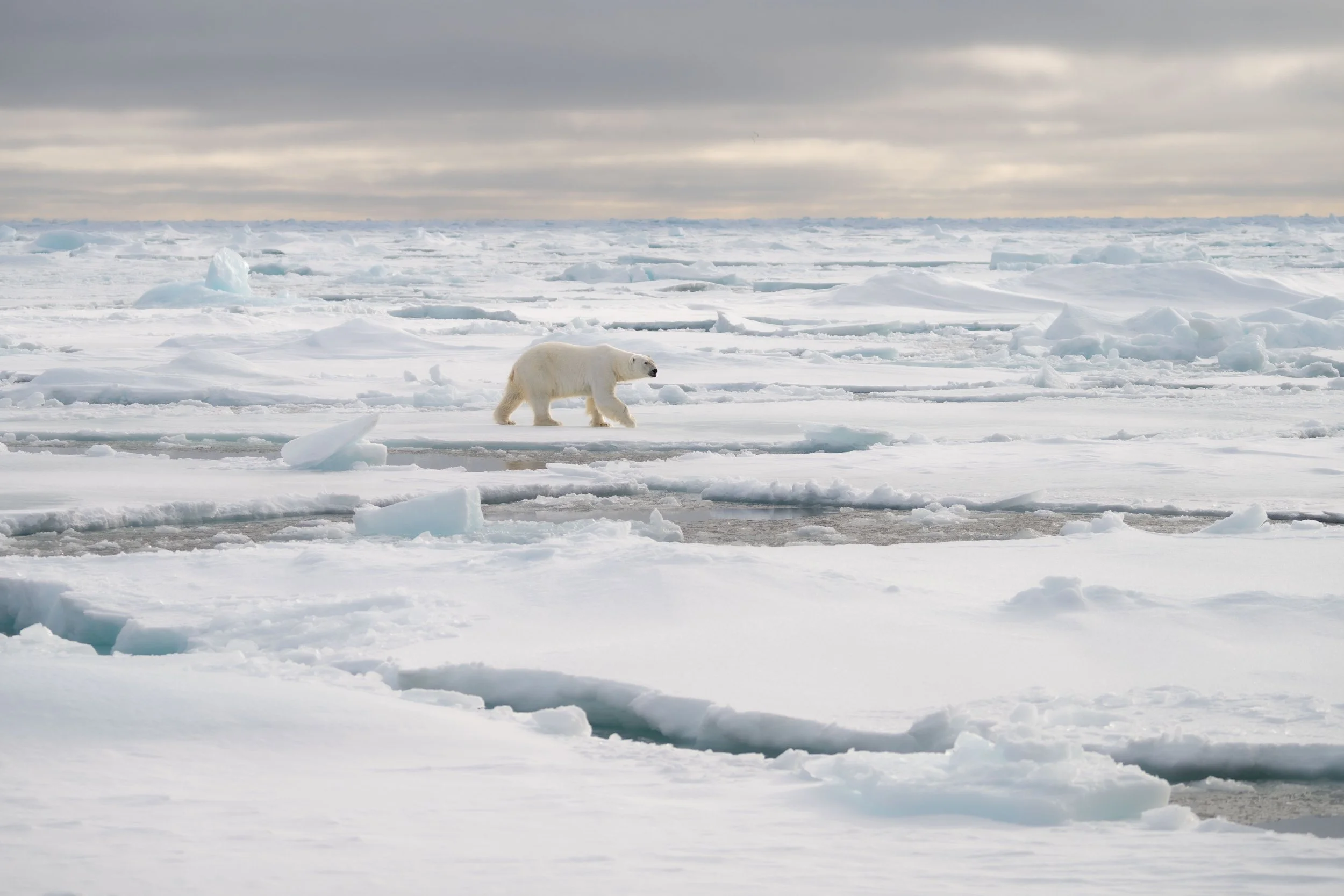
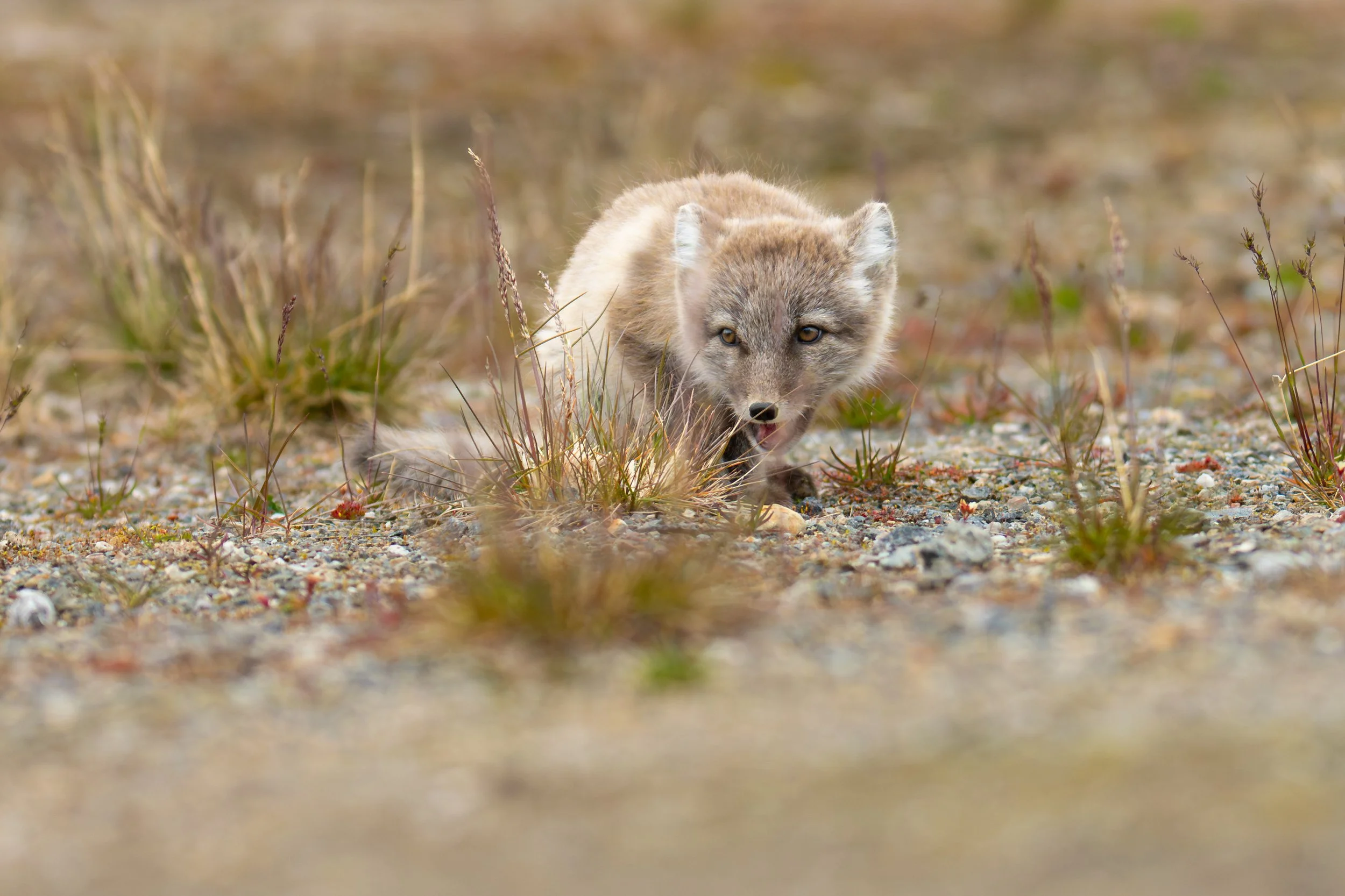
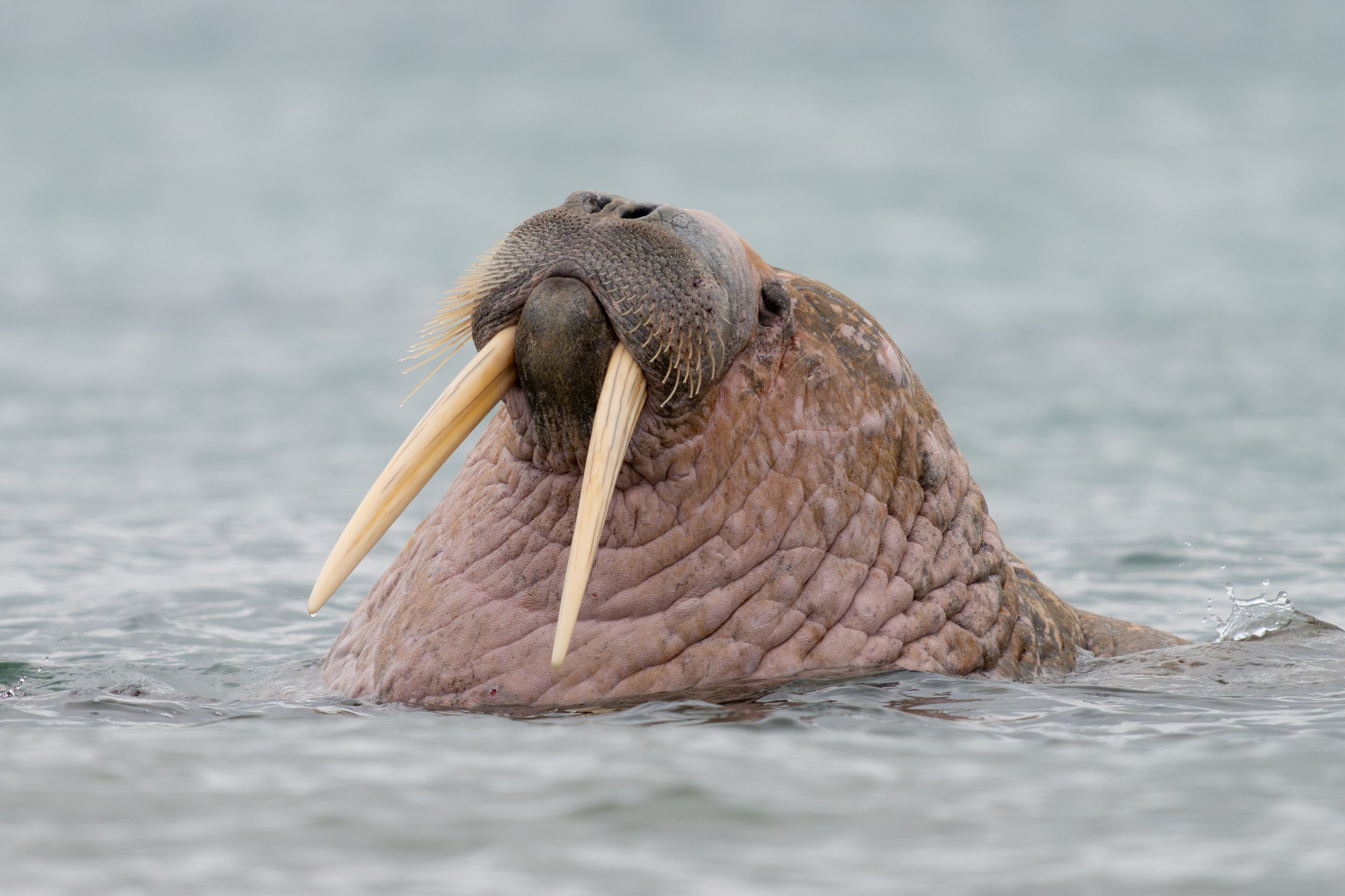
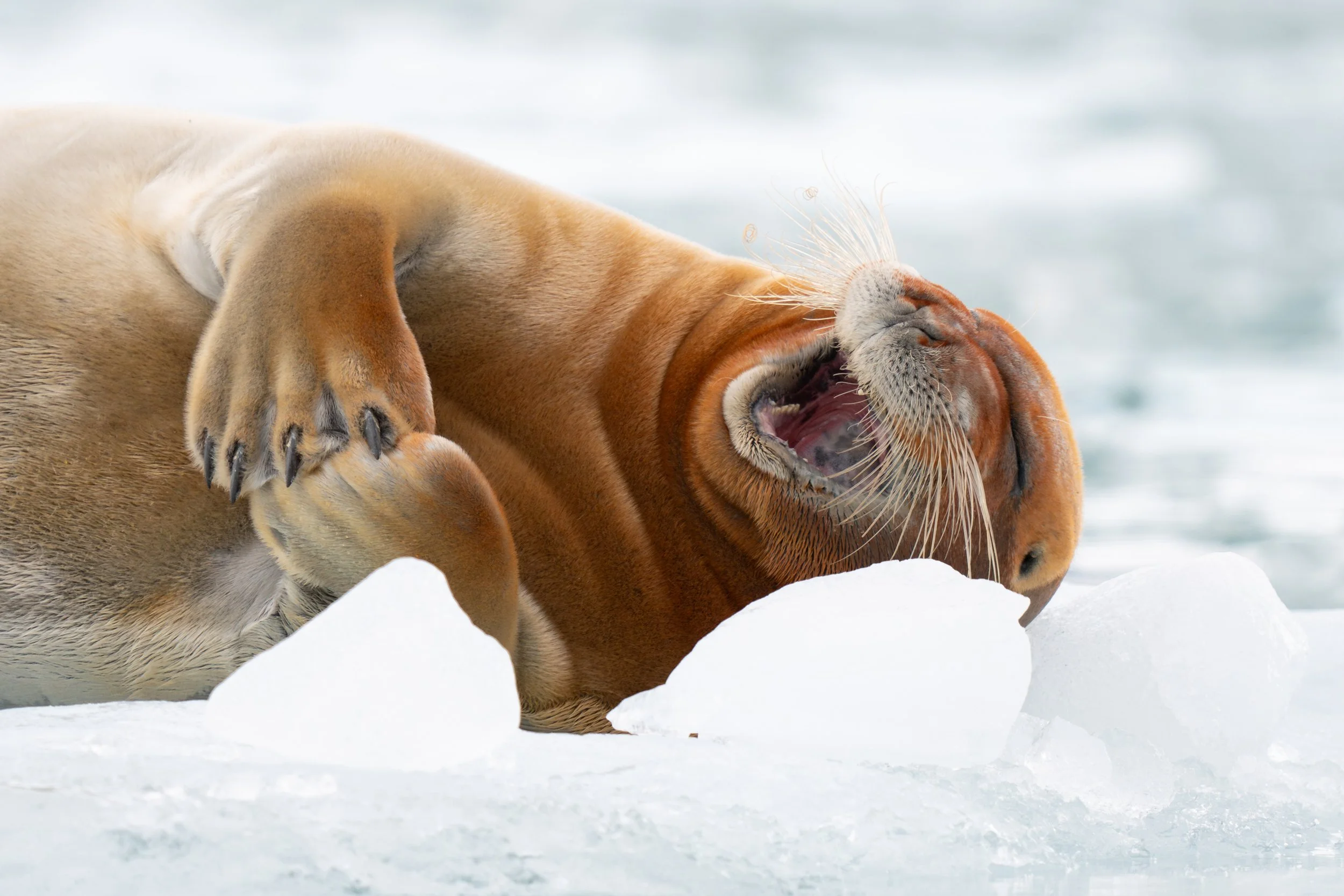
Embracing the unexpected
No two days in the Arctic are quite the same. Our route will be shaped by sea ice, weather, wildlife activity and the opportunities we encounter along the way.
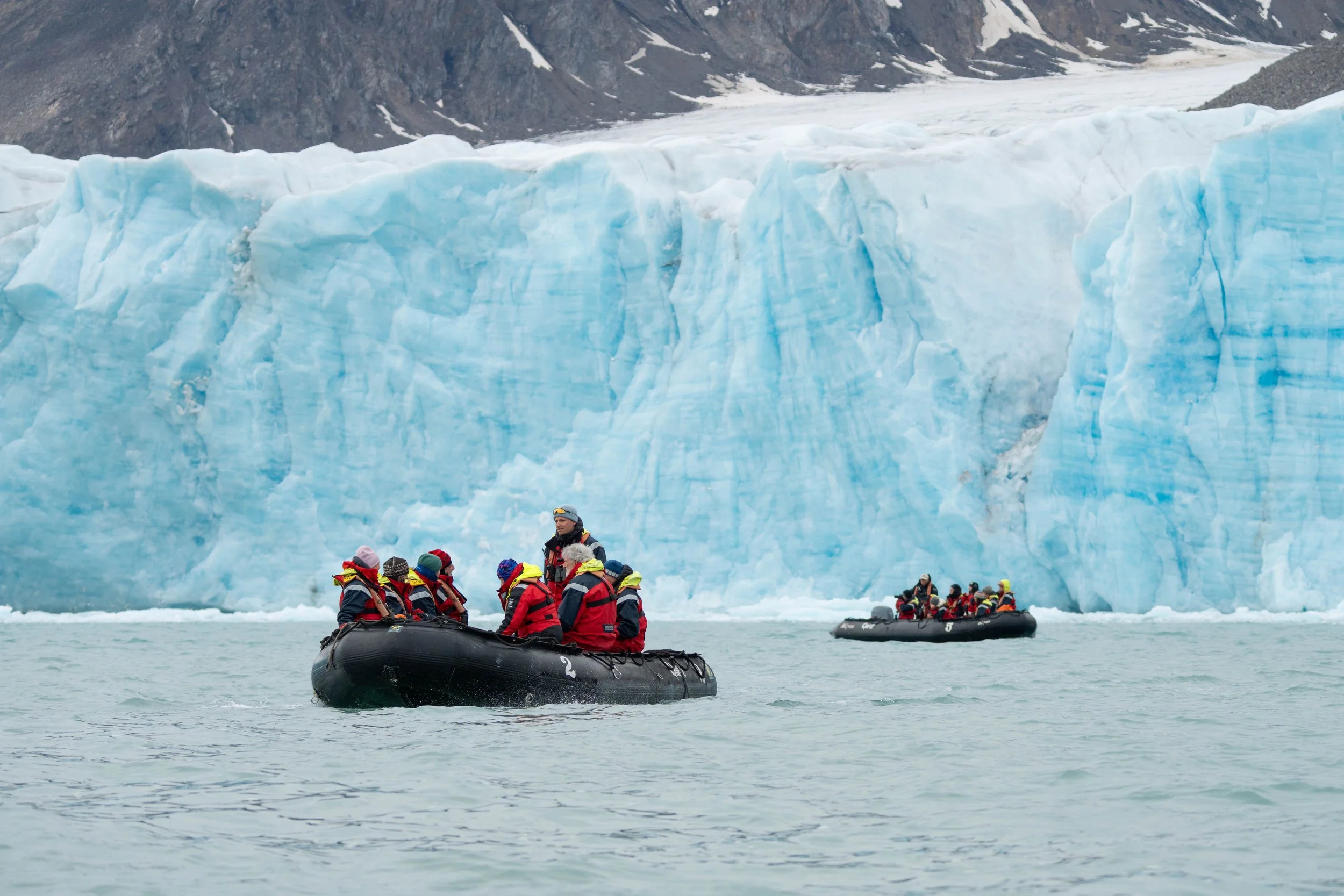
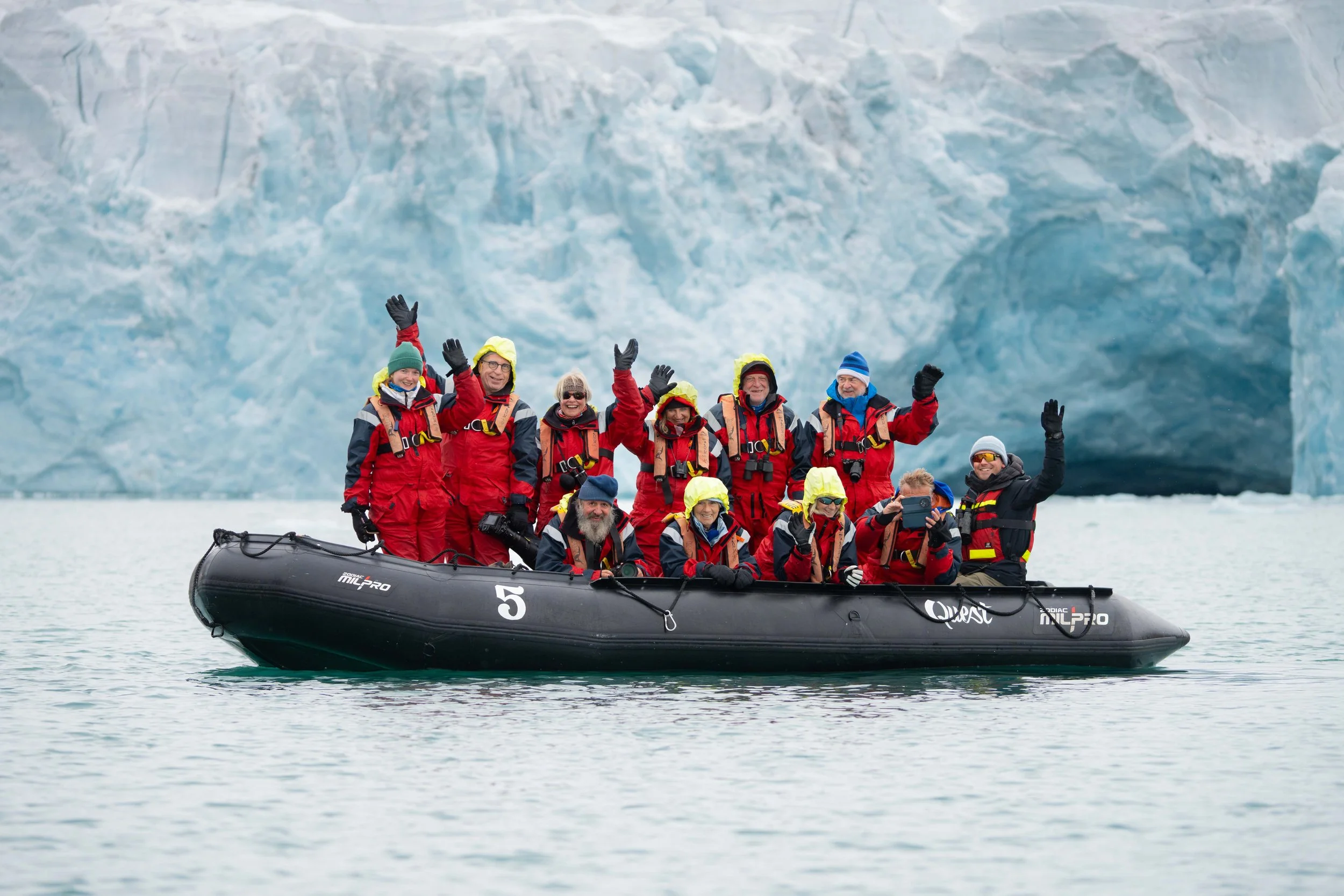
Aboard M/S Quest, we’ll explore Svalbard’s remote coastlines, islands and fjords, using Zodiacs to get closer to the landscape and, when conditions allow, going ashore to explore on foot. We’ll keep watch for polar bears, whales, seabirds and other Arctic wildlife, while taking time to appreciate the immense glaciers, rugged mountains and tundra of this extraordinary region.
The itinerary provides a guide to the places we hope to explore, but flexibility is an essential part of travelling in the Arctic. The final route and landing opportunities will depend on the conditions and the expedition team’s judgement.
Travel Itinerary
-
Arrive in Longyearbyen, one of the world’s northernmost settlements. You’ll have time to explore this remote Arctic outpost, take in the surrounding mountains and get your first feel for life this far north before we settle into our hotel in town for the night.
-
Here are some of the places we may have the opportunity to explore:
Northwest Spitsbergen
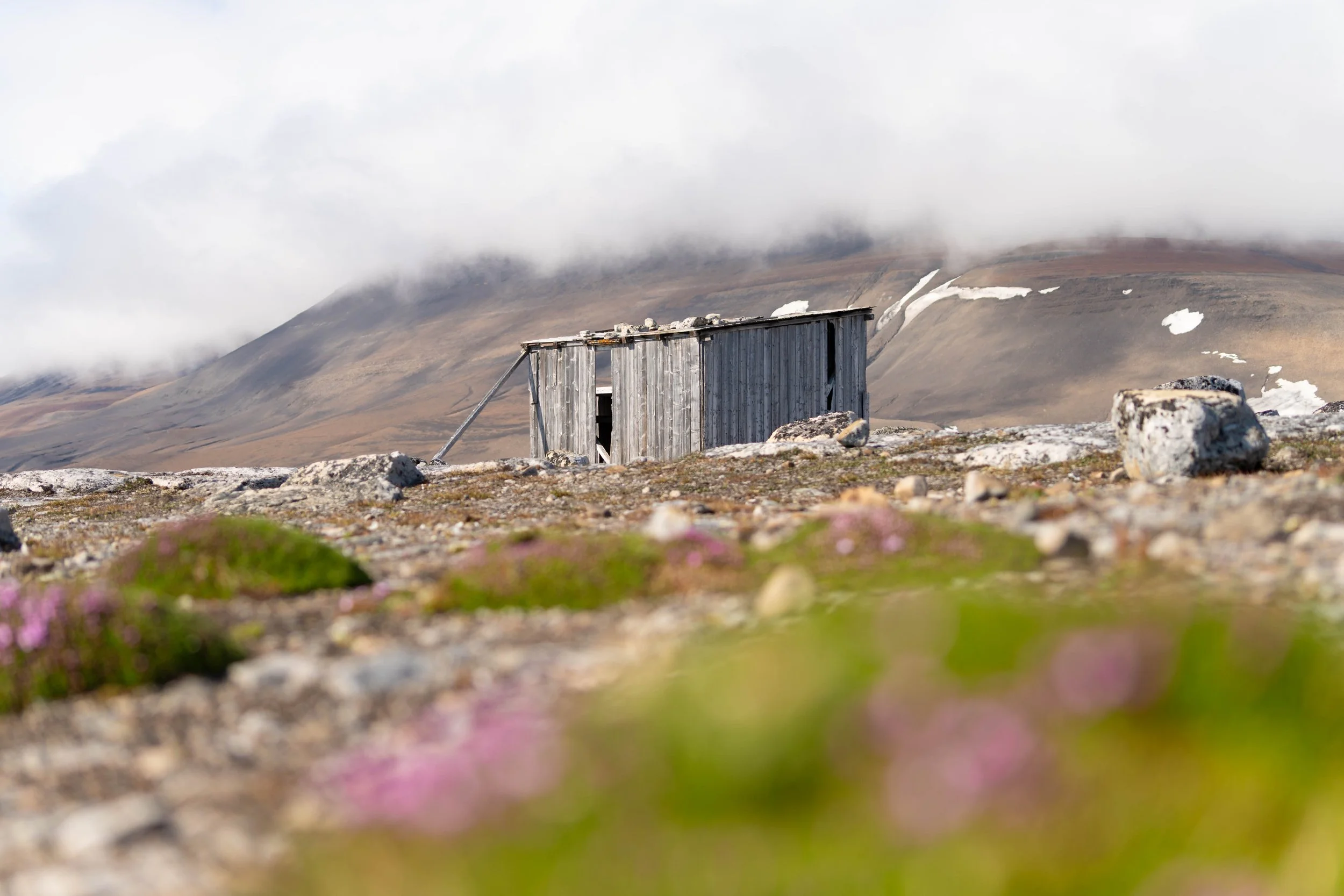
We’ll explore the fjords and coastlines of northwest Spitsbergen, a region shaped by glaciers, mountains and a long history of Arctic exploration. We may visit Ny-Ålesund, one of the world’s northernmost research settlements, and explore the remains of some of the early expeditions that set out from this remote corner of Svalbard.
Magnificent fjords
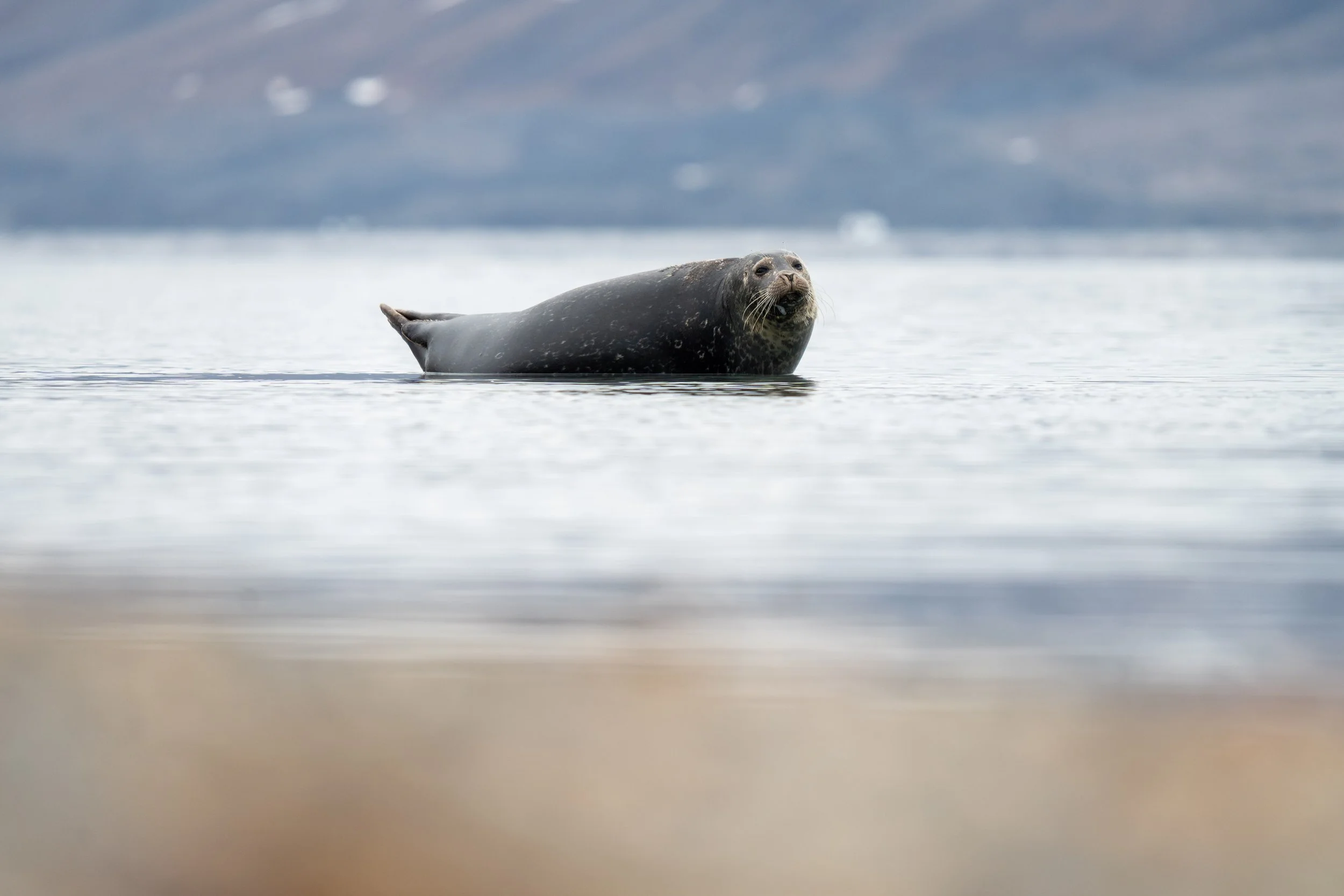
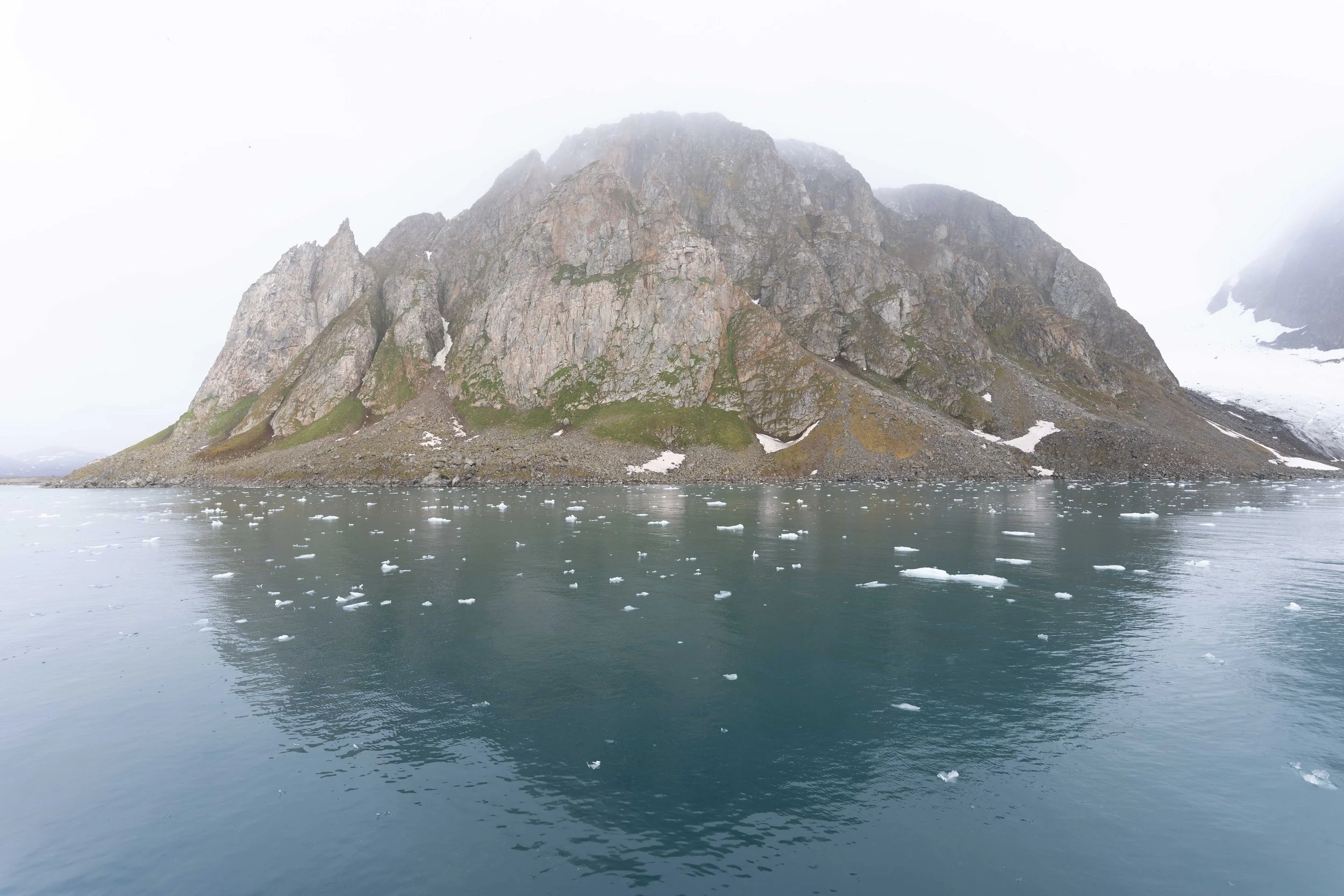
Svalbard’s fjords offer some of the most dramatic scenery in the Arctic. Depending on conditions, we may cruise through Liefdefjorden, Krossfjorden or Raudfjorden, looking for wildlife along the way and getting close to the enormous glaciers that shape these landscapes. Expect towering cliffs, calving ice and plenty of birdlife, with seals and whales often found in the surrounding waters.
Sjuøyane
At the northern edge of Svalbard, the islands of Sjuøyane are about as remote as it gets. These small islands sit beyond Nordaustlandet and mark one of the northernmost points of the archipelago. If conditions allow, we’ll explore this wild and rarely visited part of Svalbard.
Hinlopen Strait and Alkefjellet
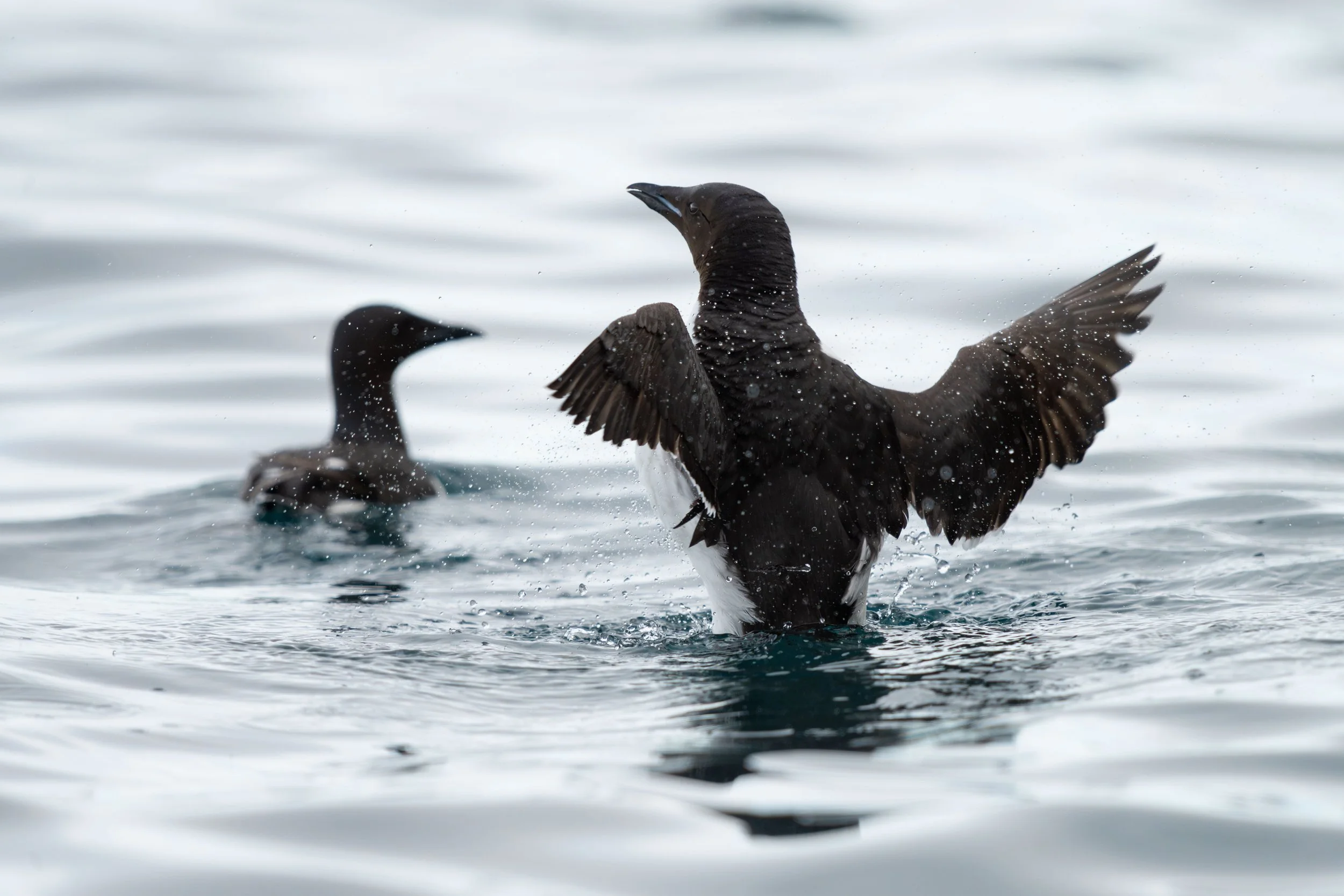
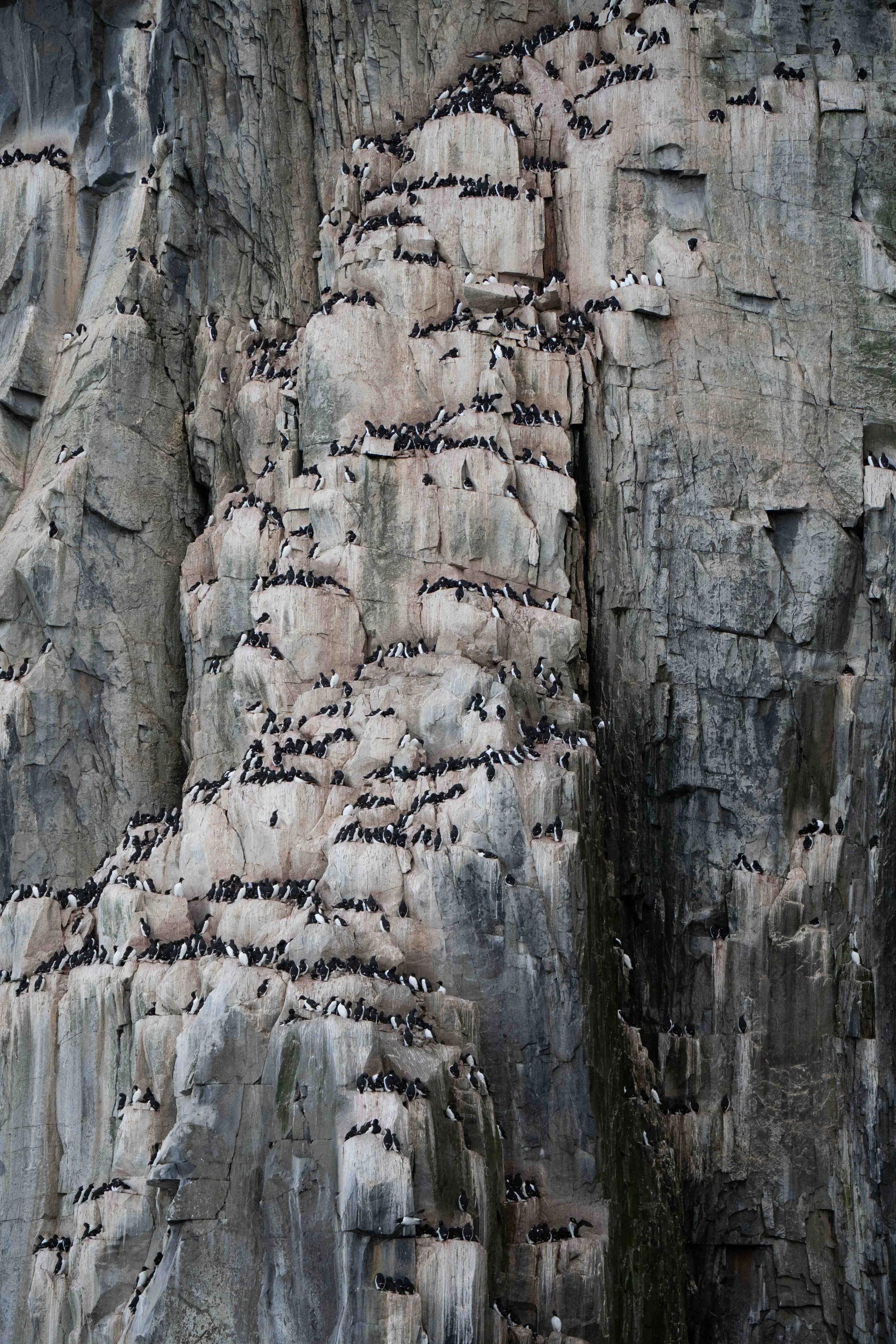
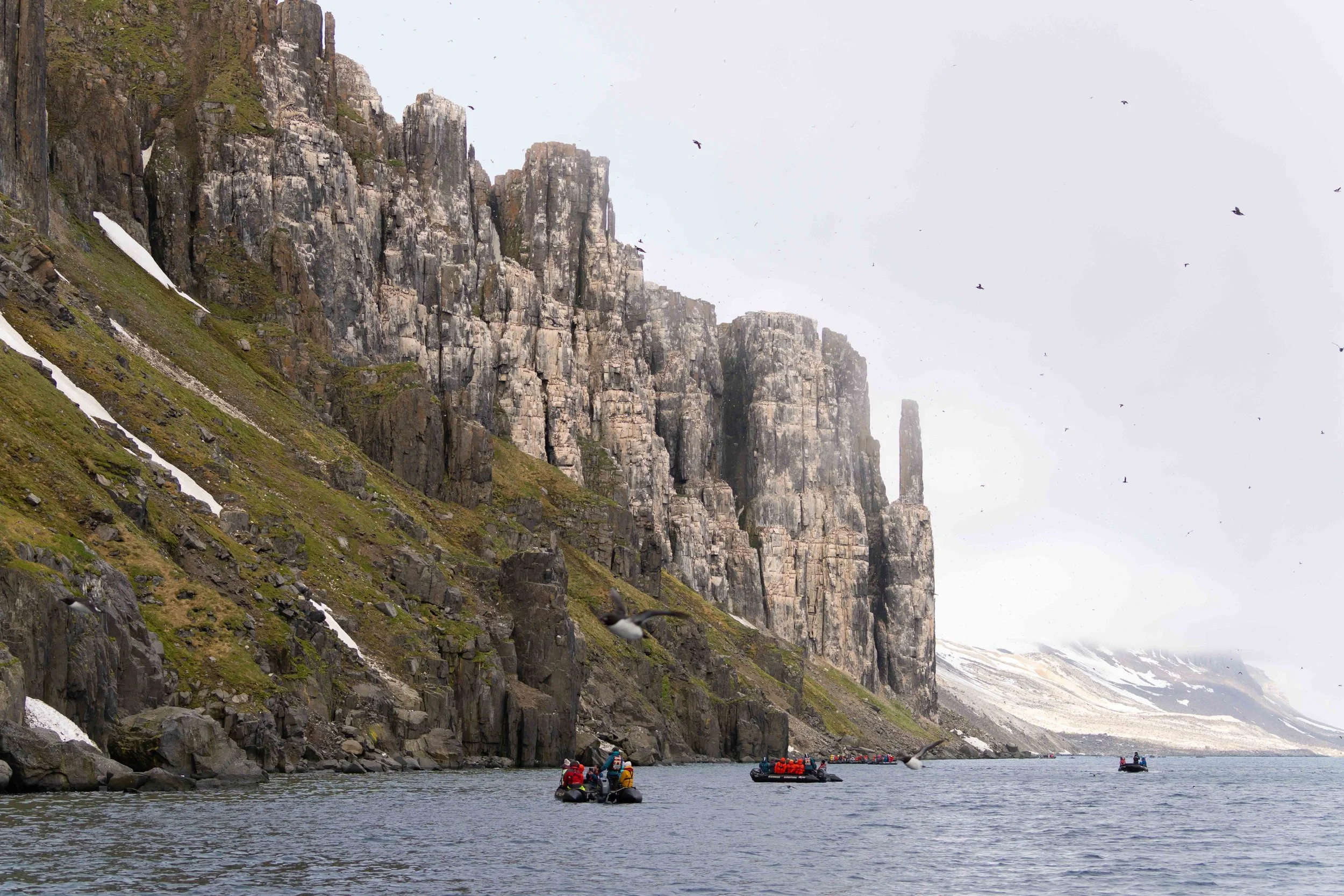
If the sea ice allows us to enter Hinlopen Strait, we may visit Alkefjellet, a spectacular basalt cliff rising from the sea. Around 200,000 Brünnich’s guillemots gather here during the breeding season, making it one of the great wildlife spectacles in Svalbard.
Eastern Svalbard
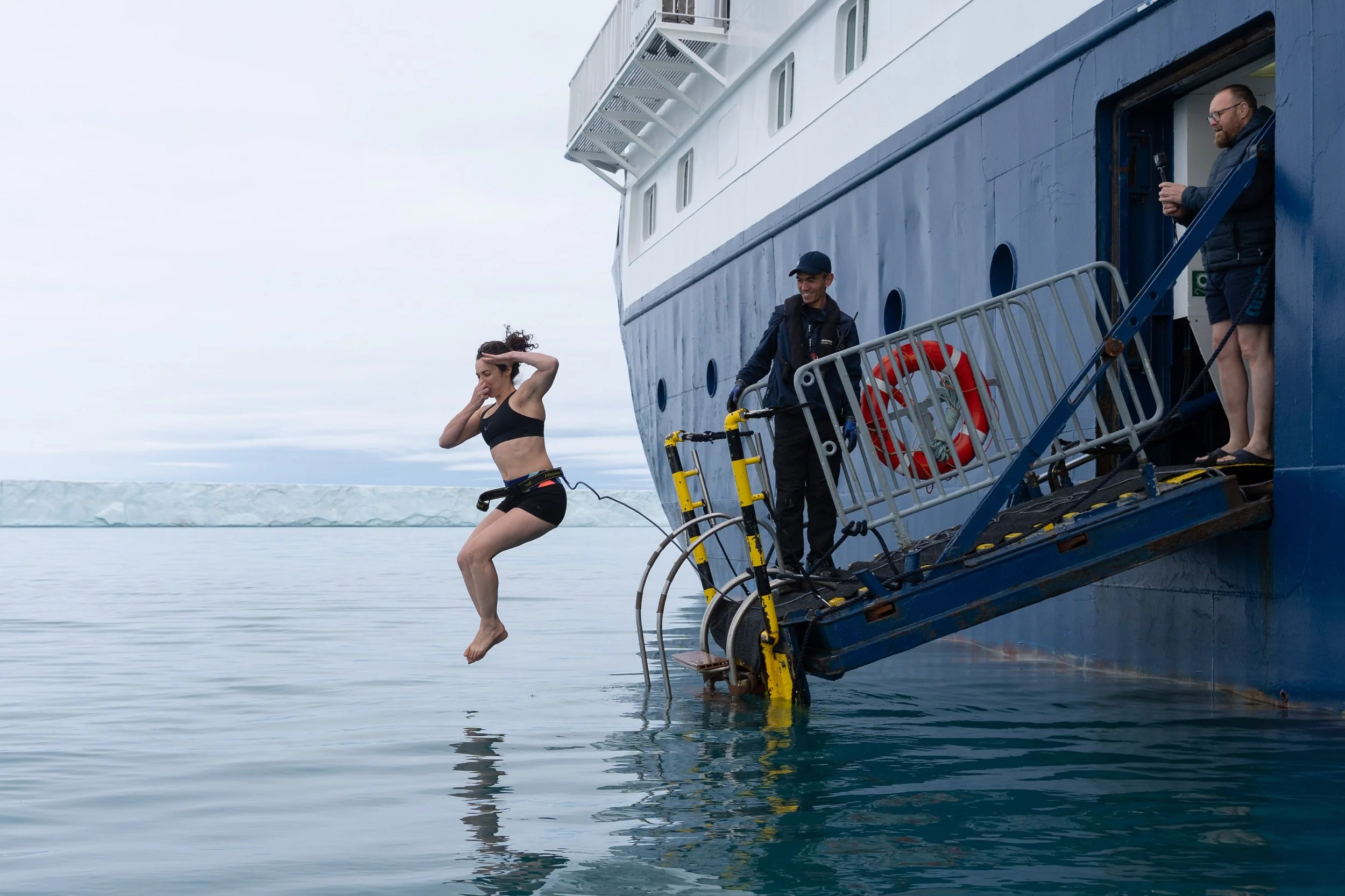
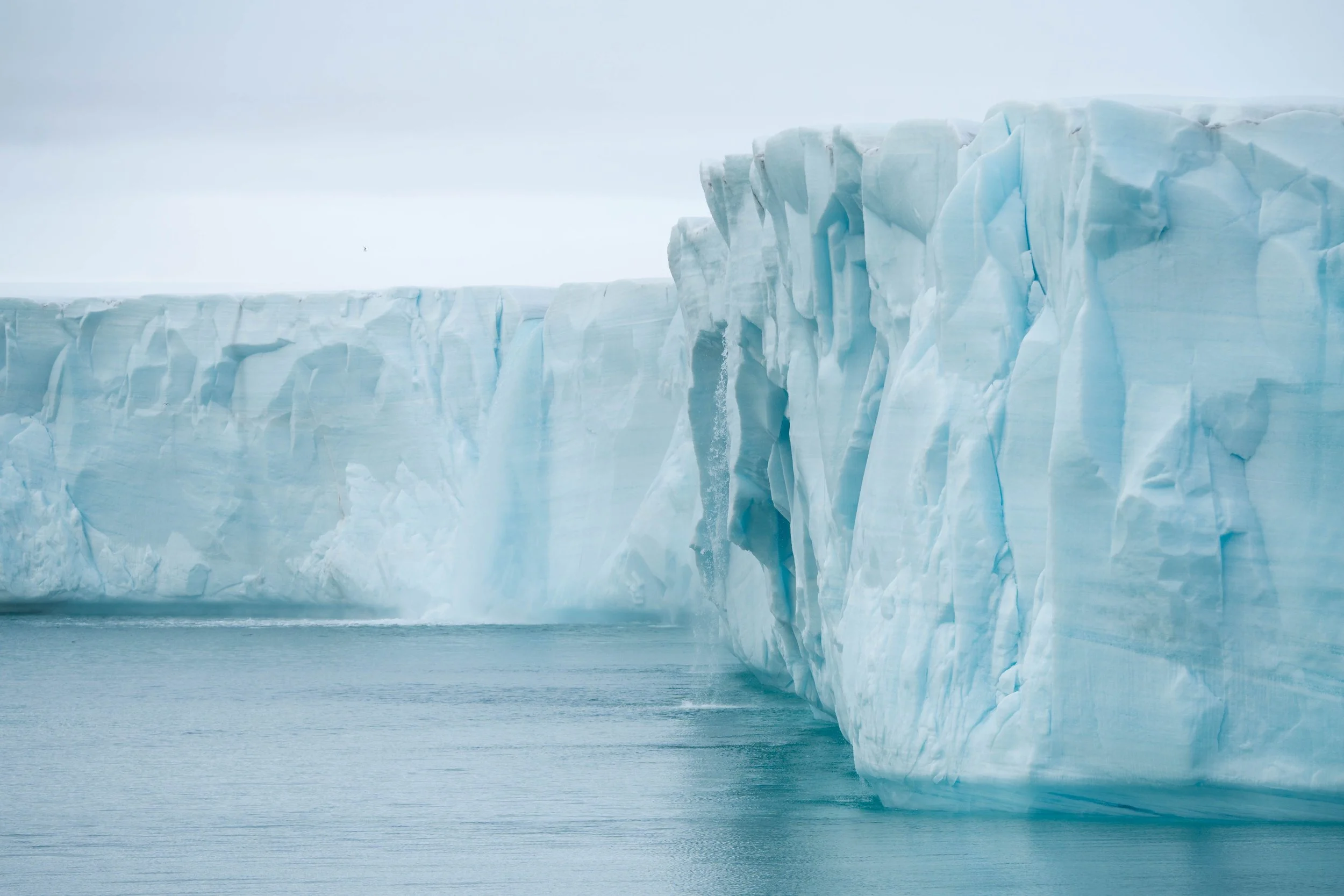
The eastern side of Svalbard is one of the most remote parts of the archipelago and one of the reasons for travelling at this time of year. Nordaustlandet is dominated by a vast ice cap, with the enormous Bråsvellbreen glacier stretching for around 180 kilometres along the coast. Its towering ice front is broken by hundreds of waterfalls, creating an extraordinary landscape to explore by Zodiac.
Please note: The itinerary is a guide to our planned expedition. The route, landings and activities may change depending on weather, sea ice, wildlife and local conditions.
-
After our final night onboard M/S Quest (Day 11), we’ll disembark in Longyearbyen early in the morning on Day 12 and begin the journey home.
What makes joining this expedition so unique?
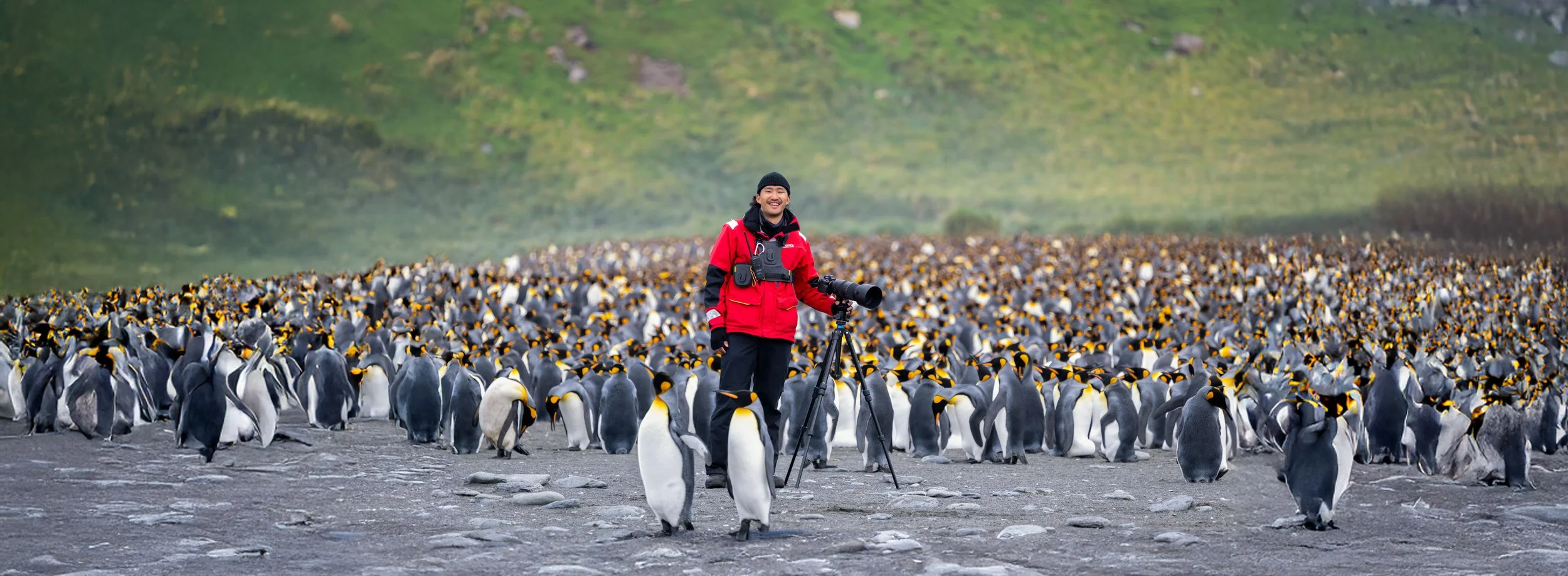
No penguins in Svalbard, I’m afraid… but you will have me, Matt, along for the adventure as your polar and photography specialist.
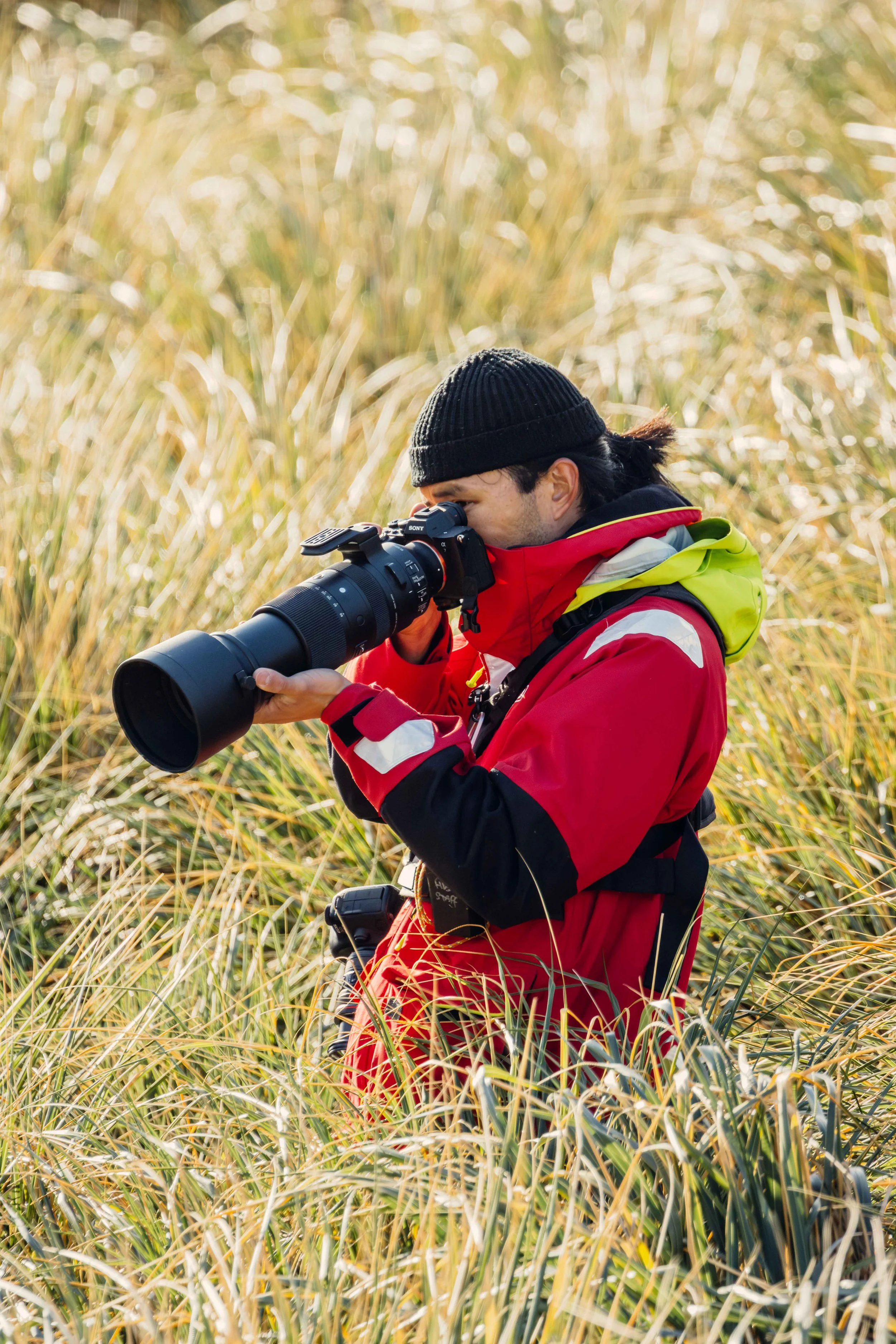
I’m Matt Cheok, a naturalist and polar photography guide with a passion for Arctic wildlife and wild places. I regularly work with PolarQuest, guiding guests through the polar regions and sharing my knowledge of the wildlife and landscapes we encounter.
On this trip, you’ll be joining me for an adventure in Svalbard. While the ship’s five expedition guides will lead our excursions and shore landings, I’ll be there to share the experience with you, point out interesting wildlife, answer questions and offer photography tips along the way.
Whether you’re a keen photographer or simply love being out in nature, I hope to help you get even more out of our time in the Arctic. I’ll also be taking photographs throughout the journey and sharing a gallery with you afterwards, so you can look back on the wildlife encounters, landscapes and moments we experience together.
Inclusions
1 x night in a hotel in Longyearbyen including breakfast
10 x nights on board M/S Quest
Visit to Svalbard Museum on Day 2
Lunch on Day 2
All meals on board, incl. coffee and tea
Expedition Leader and guides
All excursions with Zodiacs
Voyage slideshow, including individual voyage memories and photos from the trip
Full carbon offset
Naturalist insight and photography guidance from Matt Cheok.
Exclusions
Flight to/from Longyearbyen
Travel and cancellation insurance
Gratuity to the ship’s crew
Personal expenses such as bar and shop charges
Any meals, accommodation, transfers or other services not expressly included in the final itinerary.
Where We’ll Be Staying
Your home at sea
M/S Quest is a small expedition ship by design. Originally built in Denmark in 1992 as a ferry for Greenland’s west coast, she was converted into an expedition vessel in 2004–05, and the passenger areas were renovated again in 2018.
Admire the Arctic from the lounge and observation decks
Between landings, there’s plenty of space to relax and take in the views. Meals are served in the dining room, while the panorama lounge is a great place to watch the landscape go by and listen to talks about the region’s wildlife, history and environment.
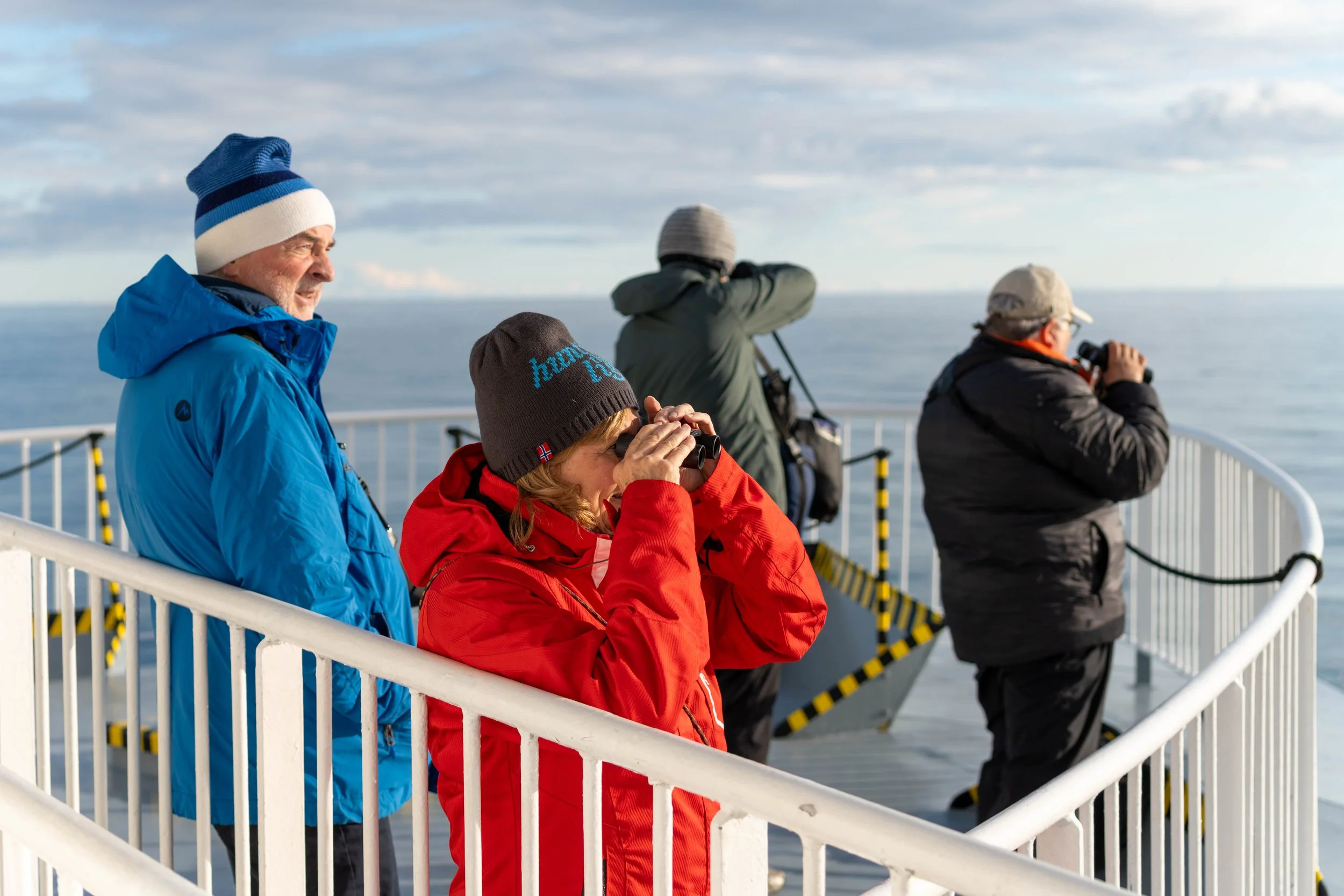
There are spacious outdoor decks for wildlife spotting and taking in the scenery, and you’re welcome on the bridge throughout the voyage. With an international crew and a relaxed atmosphere on board, M/S Quest feels more like a shared expedition than a traditional cruise.
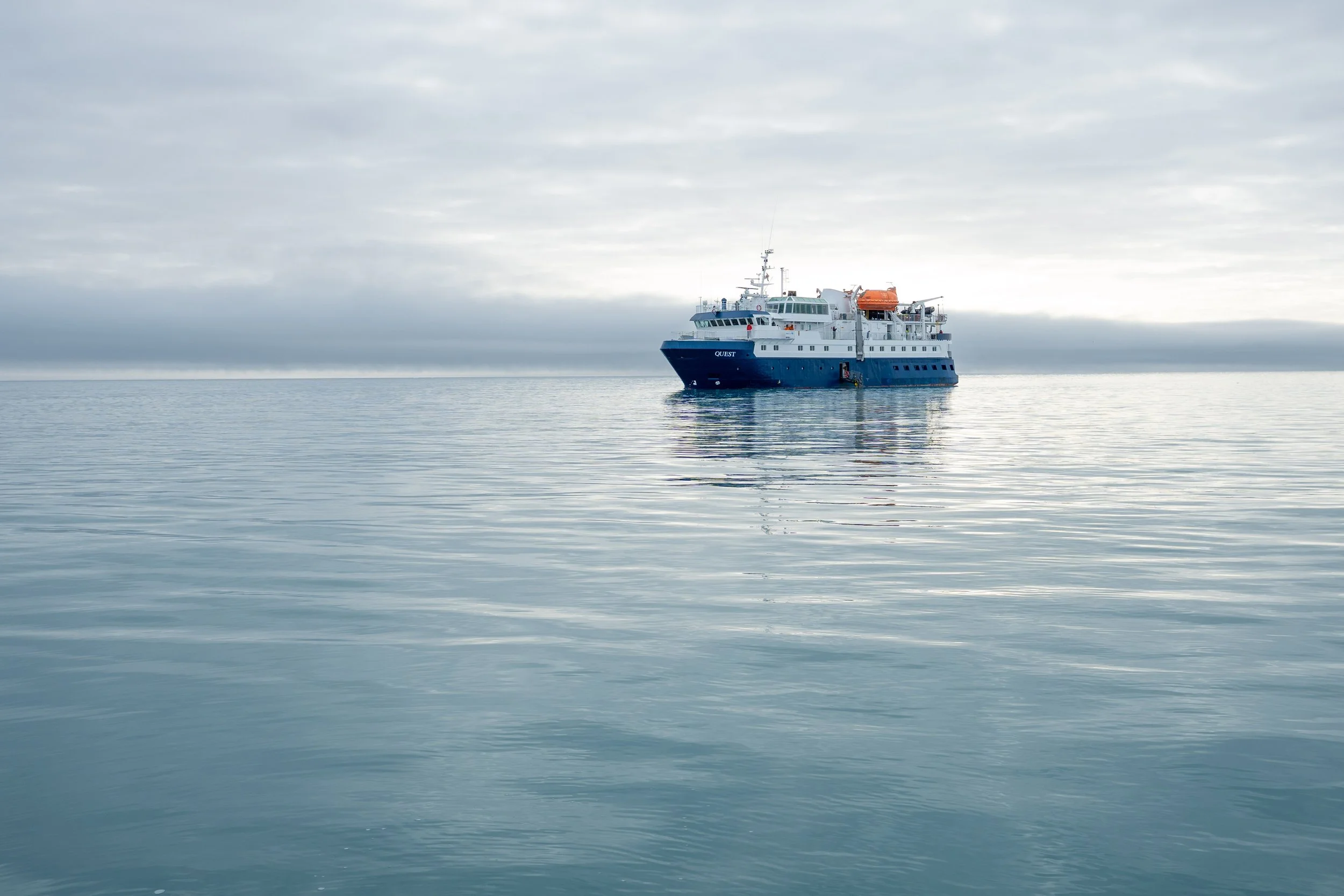
Want to learn more about M/S Quest?
If you’d like to take a closer look at the ship, cabins and full expedition details, you’ll find more information on PolarQuest’s website.
FAQ
-
You’ll fly into Longyearbyen Airport (LYR), the main airport on Svalbard. This is where the trip begins and ends, and we’ll arrange group transfers to and from the airport on both arrival and departure days.
-
July is summer in Svalbard, but don’t expect summer temperatures. The Midnight Sun means 24 hours of daylight, while temperatures generally sit around 3–7°C (37–45°F). At Svalbard Airport, the average July temperature is around 5.9°C (43°F).
Arctic weather can change quickly, and wind can make it feel much colder. Fog, rain and changing conditions are all possible, so it’s important to come prepared for a bit of everything.
Warm layers, a waterproof and windproof outer layer, gloves or mittens, a warm hat and sturdy waterproof footwear are all essential for our excursions.
And don’t worry about figuring it all out yourself. Before the expedition, we’ll send you a detailed packing list with everything you need to bring, including clothing and equipment recommendations for the conditions and activities we’re likely to encounter.
-
Svalbard sits outside the Schengen Area, so there’s no separate visa required to enter Svalbard. However, the requirements for your trip will depend on your nationality and how you’re travelling there.
If you need a Schengen visa and are travelling via mainland Norway or another Schengen country, you’ll need a multiple-entry Schengen visa so you can return to the Schengen Area after your time in Svalbard.
All travellers must carry a valid passport or other accepted travel document.
We recommend checking the visa and entry requirements for your nationality before booking your flights, as these can also depend on your connections and onward travel plans.
-
Charging facilities are available on board, but plug types and power arrangements may differ from those at home. Consider bringing a suitable travel adapter and spare camera batteries.
-
Yes. You should arrange appropriate travel insurance, including cover for medical expenses, emergency evacuation and trip cancellation or interruption. Check that your policy specifically covers the activities and destination involved in an expedition to Svalbard.
-
This trip is open to anyone with a sense of adventure and a curiosity about the Arctic. You don’t need previous expedition experience, specialist outdoor skills or to be a photographer.
You should be comfortable spending time outdoors in cold and changeable conditions, travelling by Zodiac and taking part in shore landings and walks. Most importantly, come with an open mind and a willingness to embrace the unpredictable nature of an Arctic expedition.
Whether you’re travelling solo, with a partner or with friends, you’ll be joining a small group of like-minded travellers who are there to explore, experience the wildlife and make the most of being in Svalbard.
-
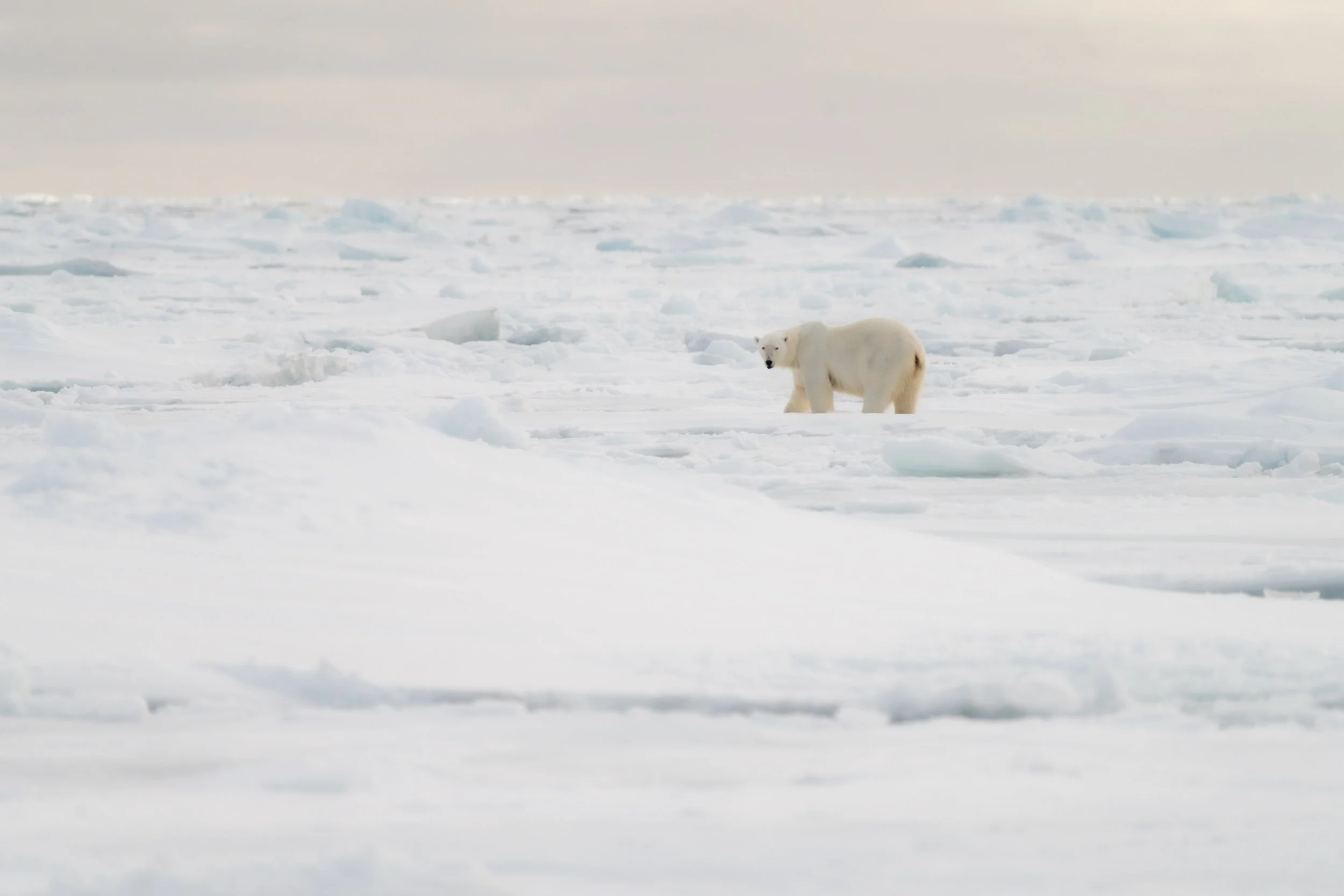
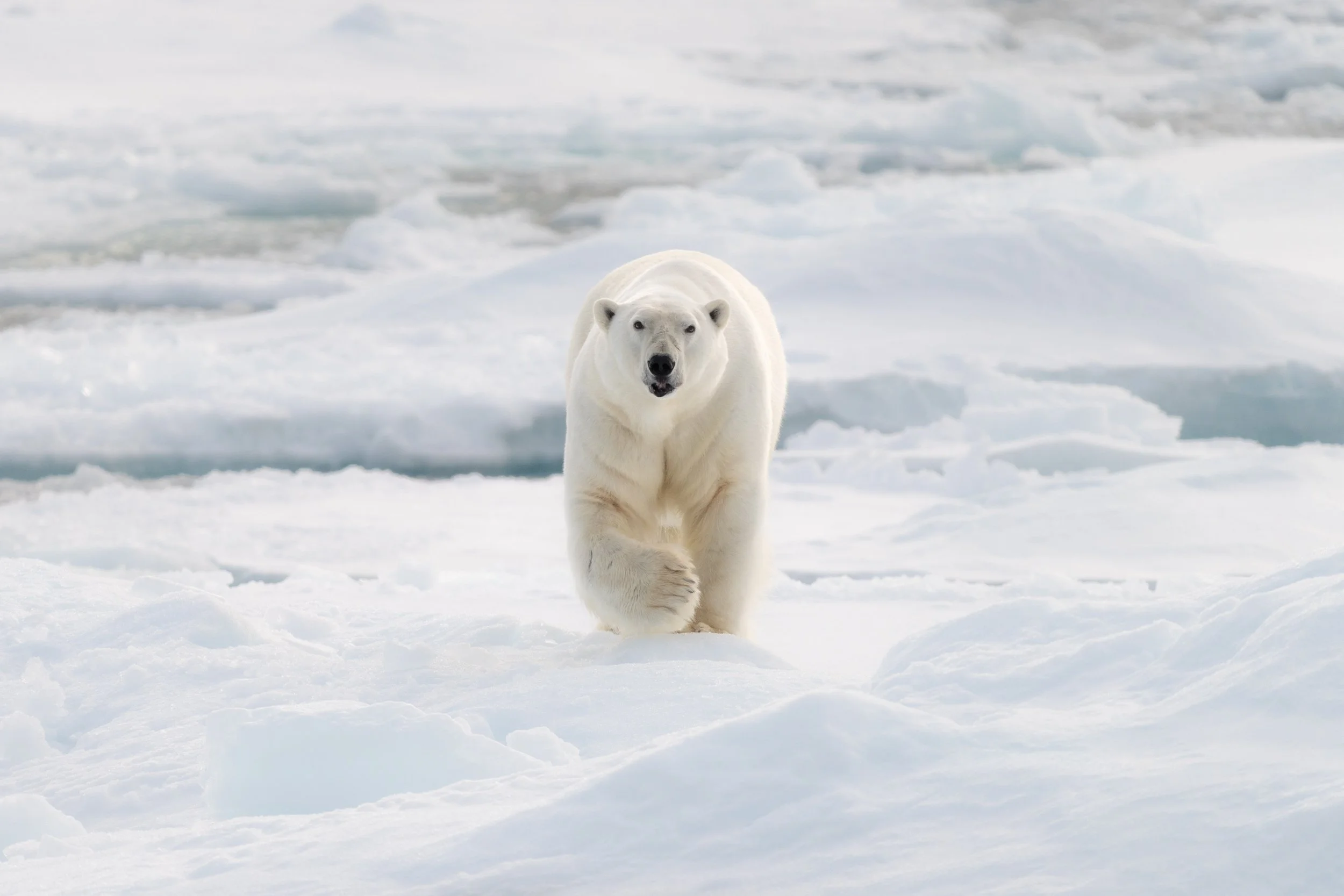
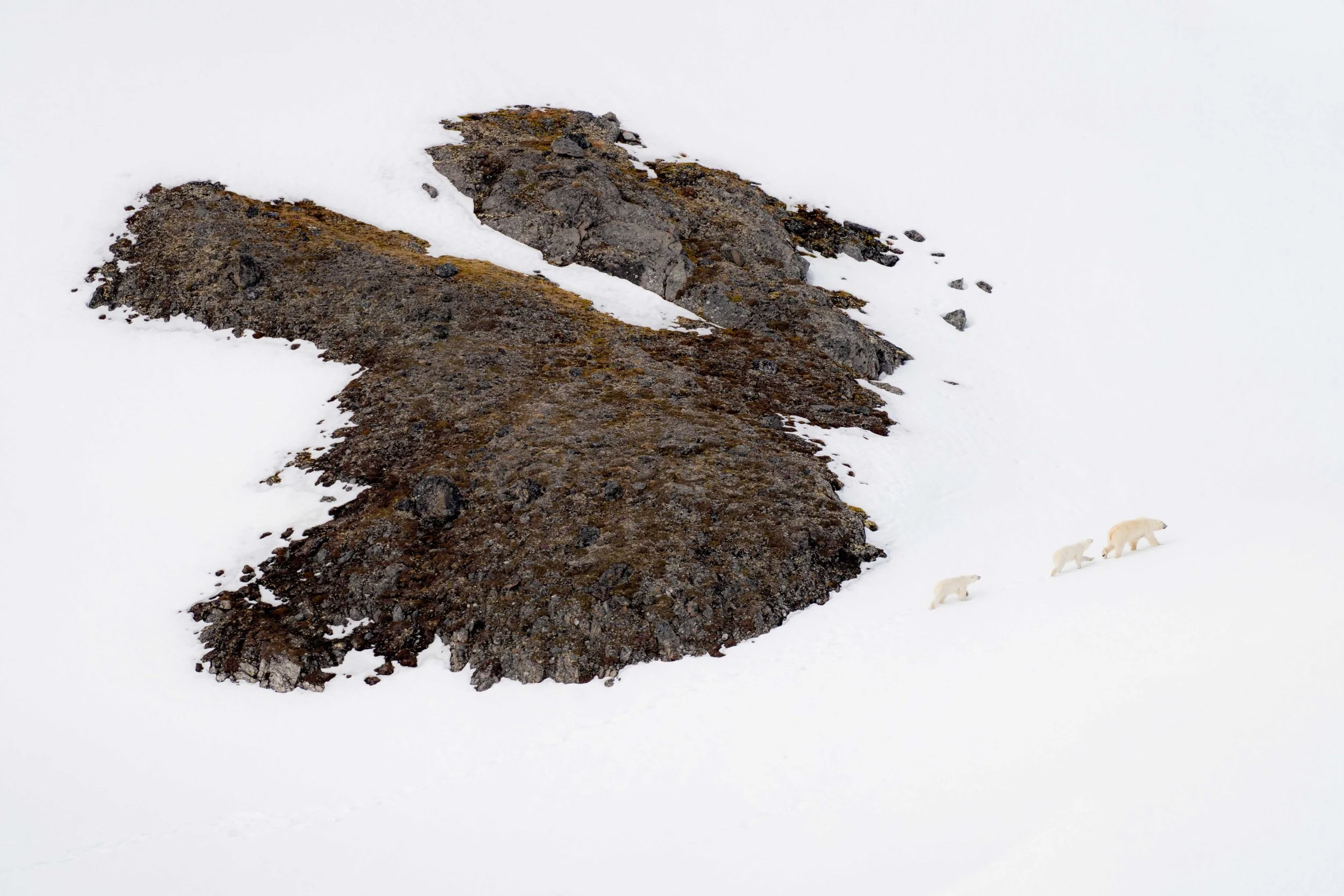
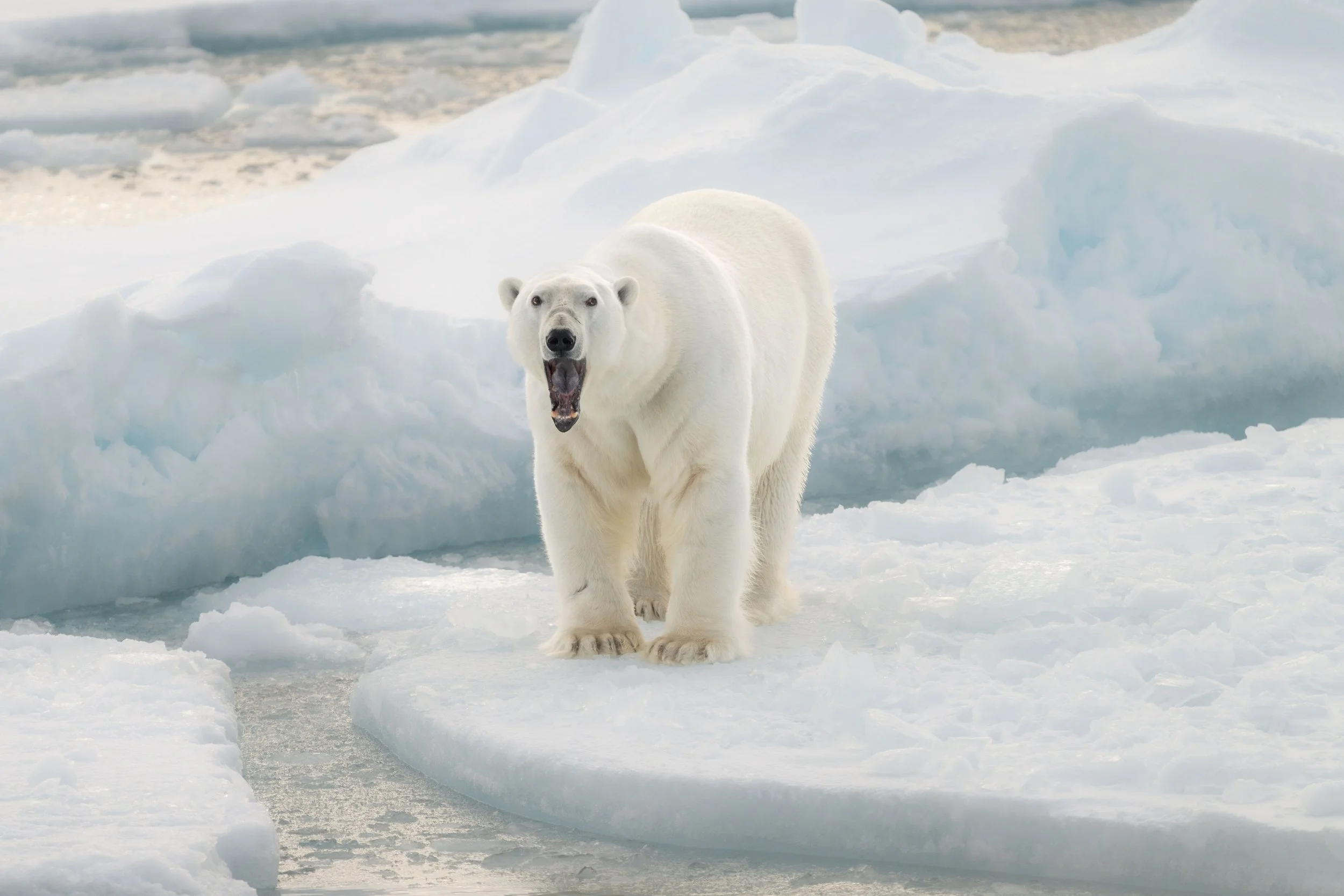
Svalbard is one of the best places in the world to look for polar bears in their natural environment. Throughout the expedition, we’ll keep watch along the coastline and around the sea ice for signs of wildlife. However, polar bears are wild animals, and sightings can never be guaranteed.
-
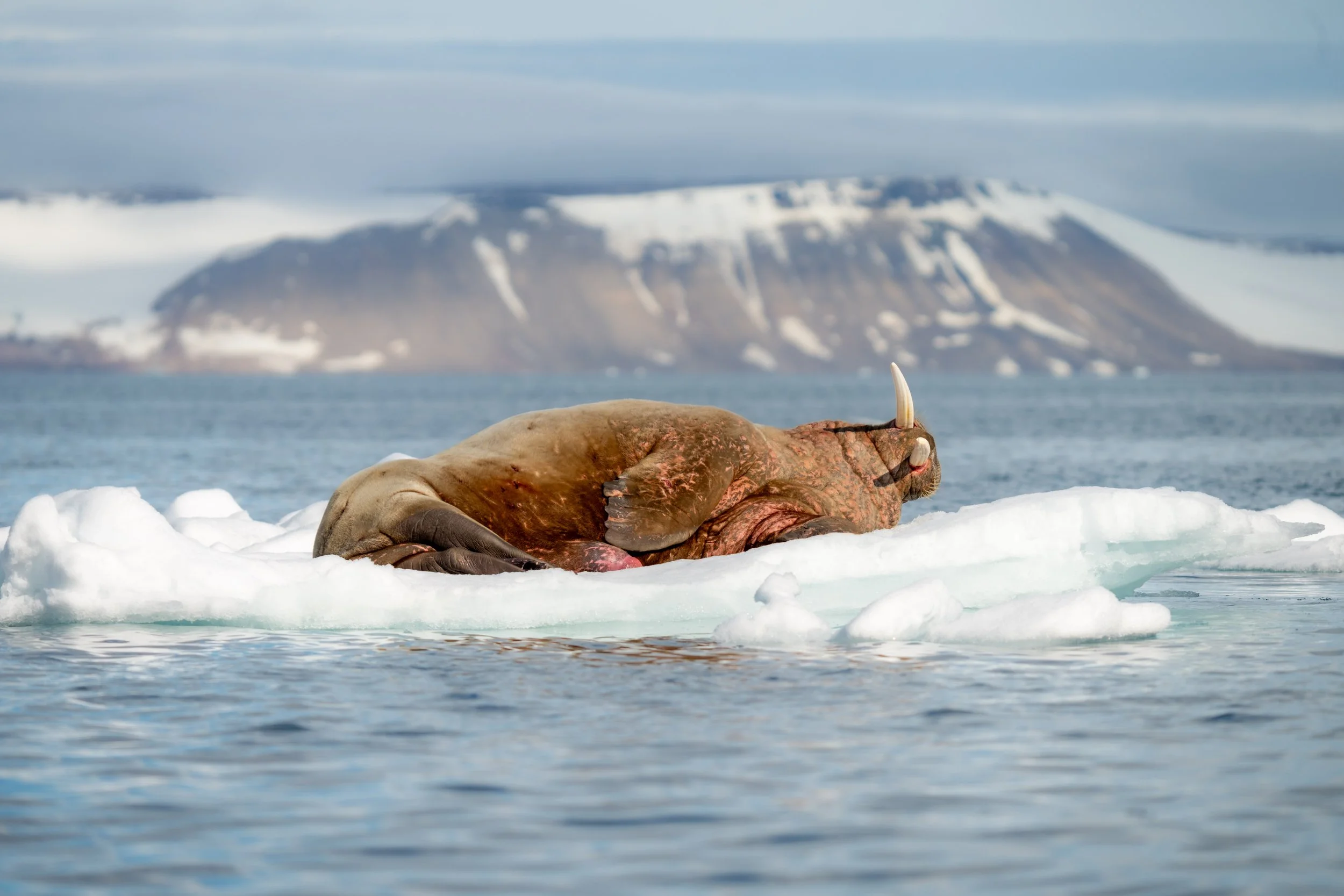
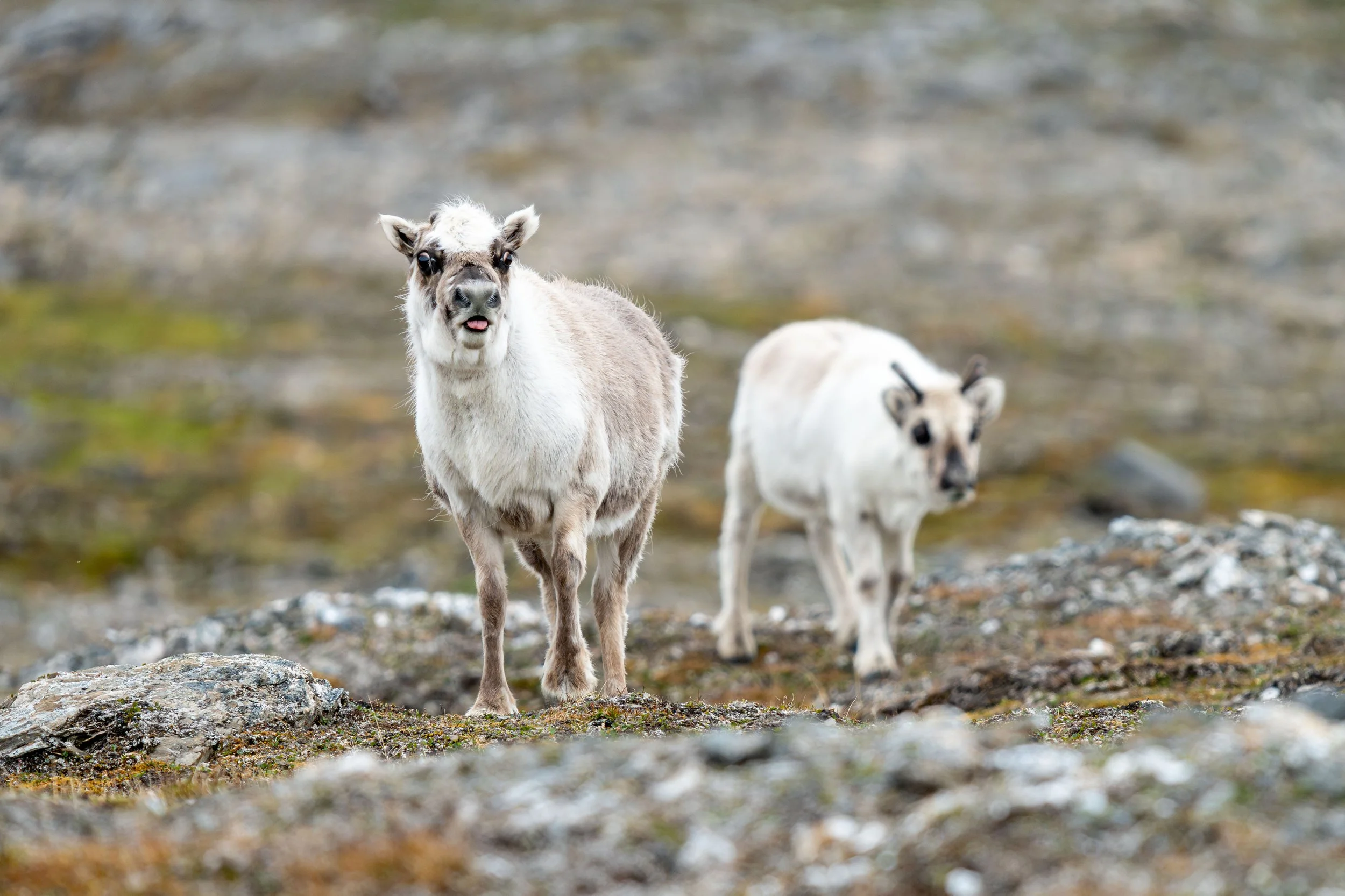
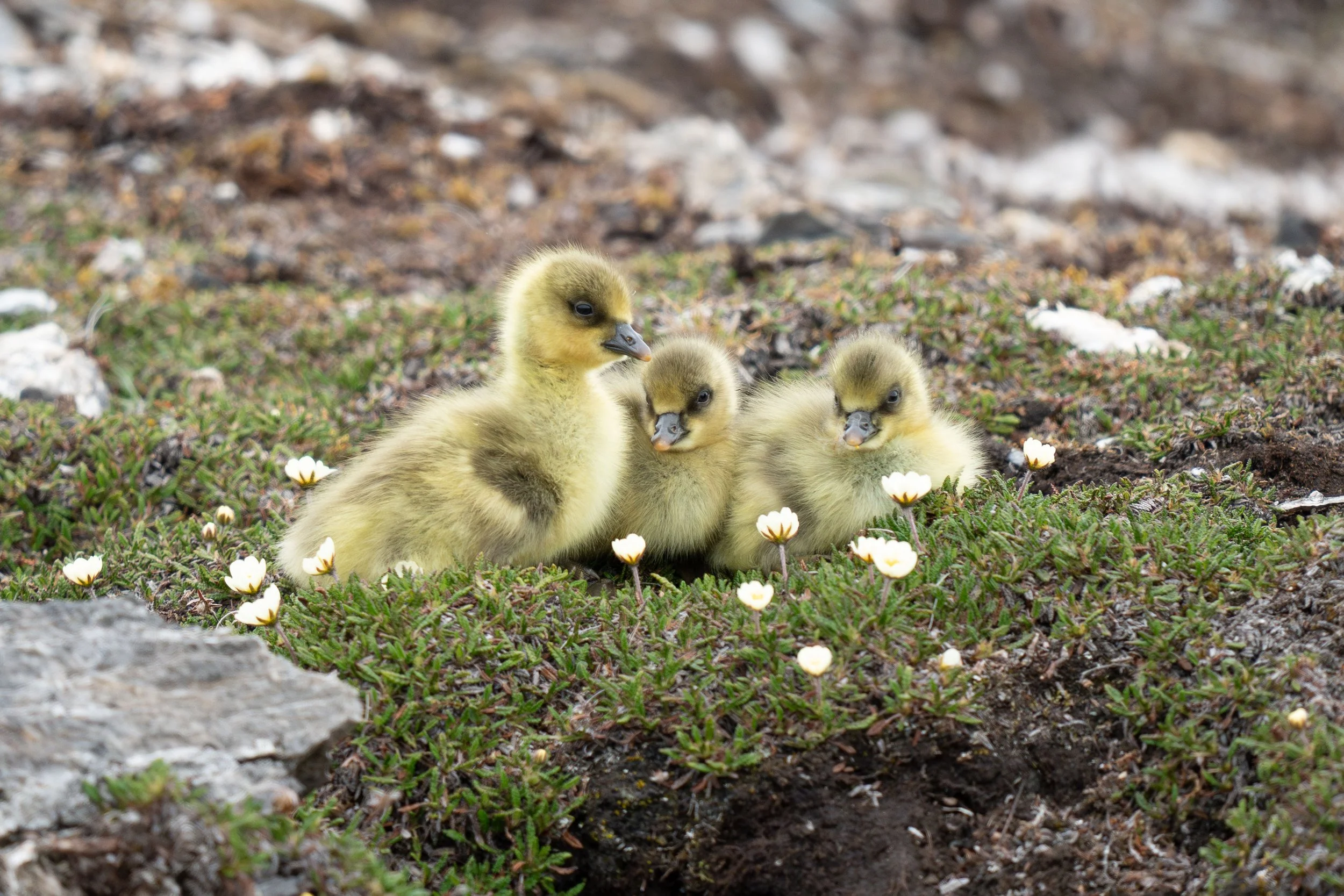
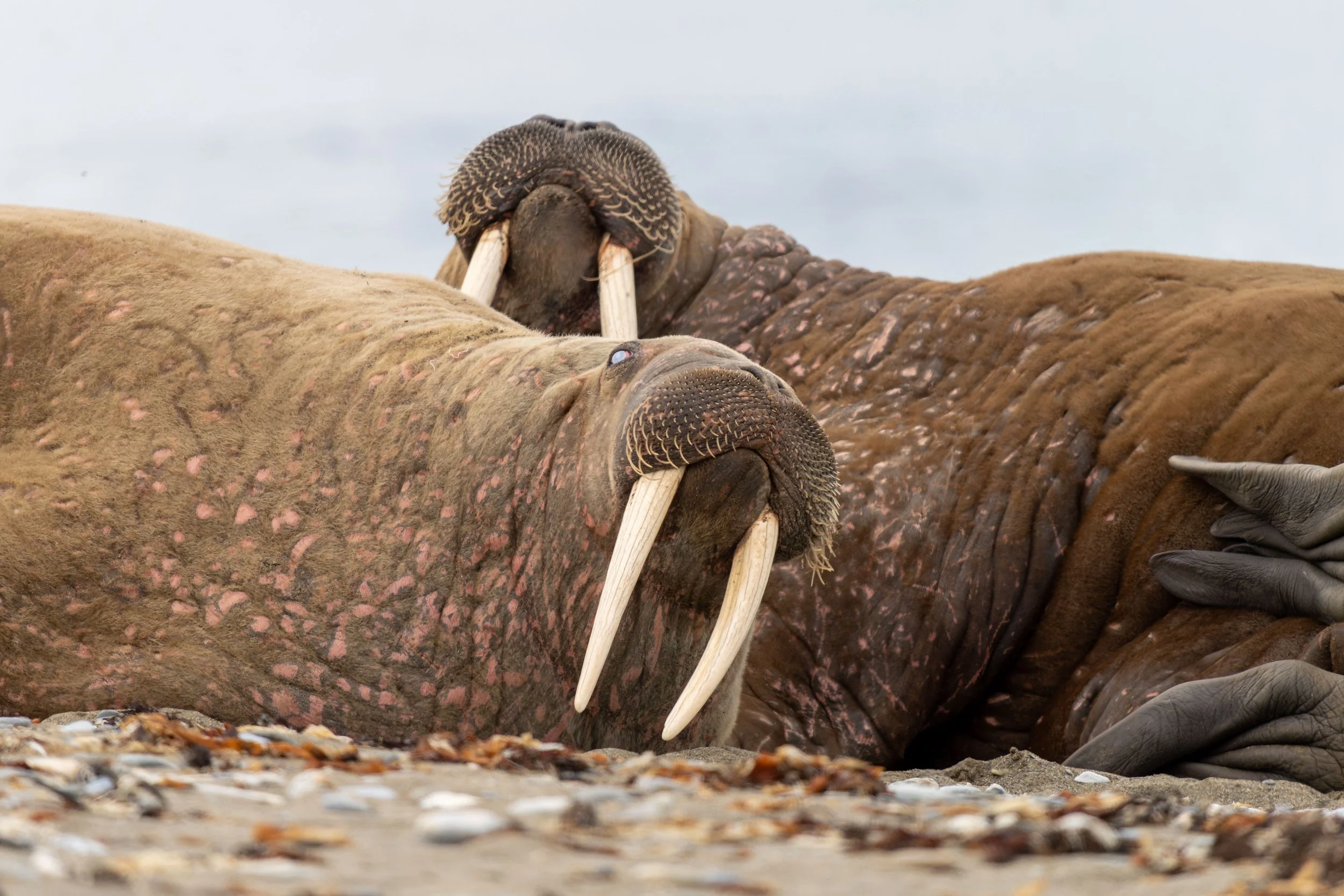
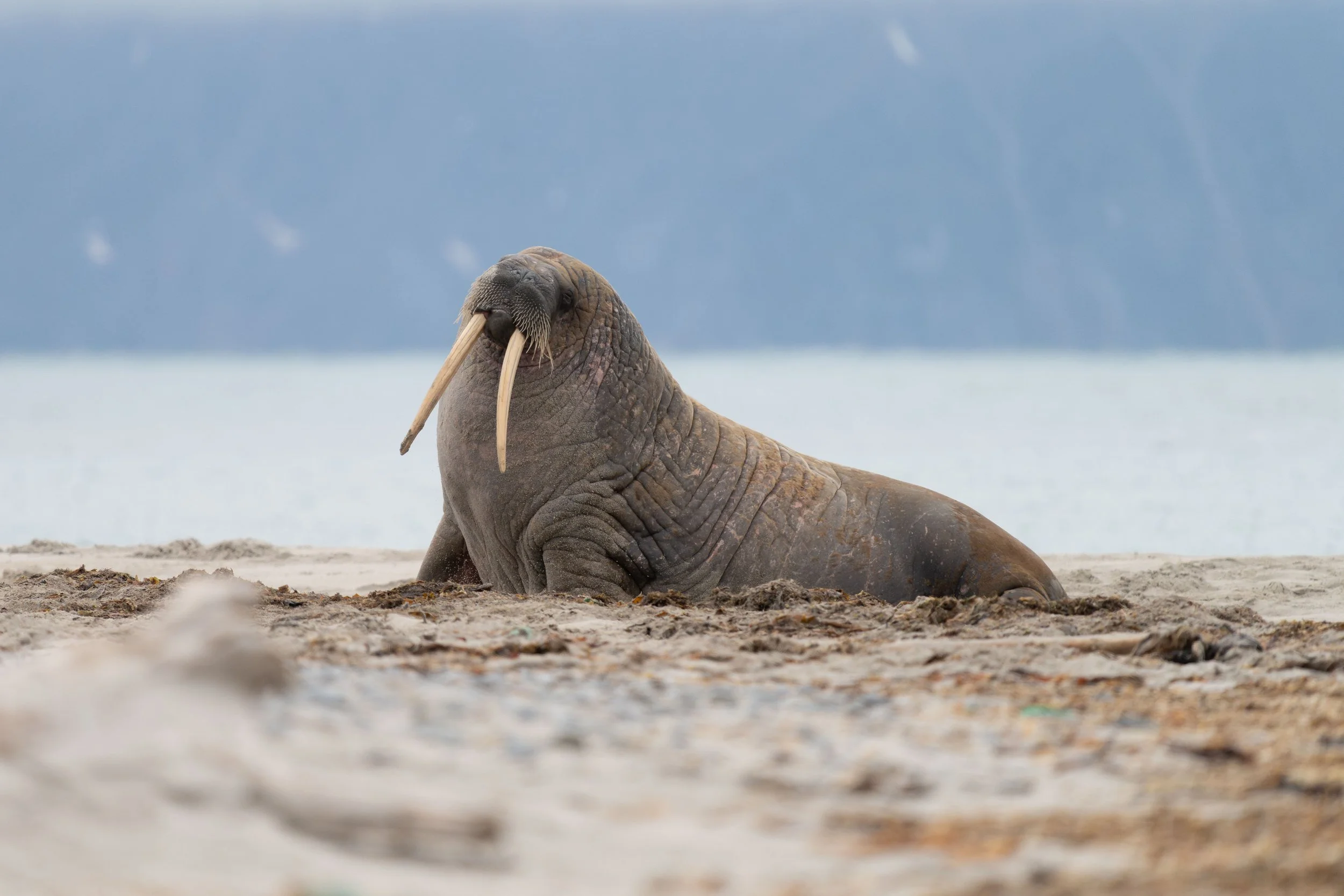
Svalbard is home to a remarkable variety of Arctic wildlife. Depending on the conditions and where we travel, we may encounter polar bears, whales, walruses, reindeer, Arctic foxes and a variety of seabirds. Every expedition is different, and part of the adventure is discovering what the Arctic has in store for us.
-
Not at all. The expedition is open to anyone with an interest in Arctic wildlife, nature and exploration. If you enjoy photography, I’ll be happy to share tips and help you make the most of photographic opportunities. If you prefer to enjoy the experience without a camera, you’re just as welcome. Mobile phone photography is welcomed and encouraged. We’ll make sure to cover this too!
-
Zodiac excursions and shore landings are an important part of the expedition, offering opportunities to explore the coastline and experience Svalbard beyond the ship. All activities depend on weather, sea ice, wildlife and safety conditions, and the expedition team will decide when and where it is appropriate to go ashore.
Guests should be comfortable with the practical demands of expedition travel, including getting in and out of Zodiacs and moving over potentially uneven terrain. If you have mobility concerns, please contact us before booking so we can discuss the requirements.
-
Flexibility is part of any expedition to the Arctic. Weather, sea ice, wildlife activity and other local conditions can affect our route and landing opportunities. The expedition leader and captain will make decisions based on safety and the conditions, with the aim of making the most of the opportunities available.
-
Use the enquiry form on this page to register your interest. We’ll follow up with the current pricing, cabin availability, booking conditions and the information you need to decide whether this expedition is right for you.
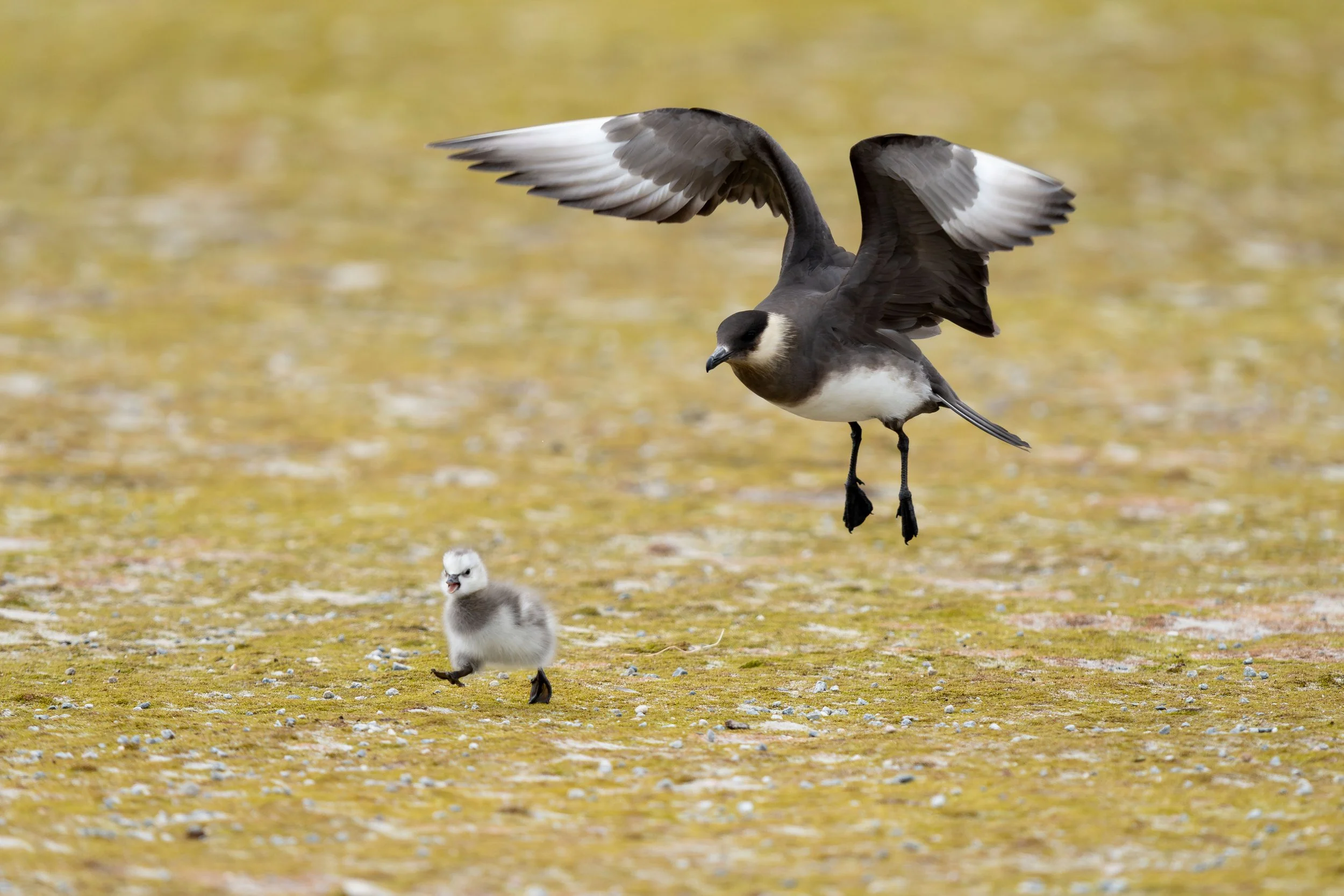
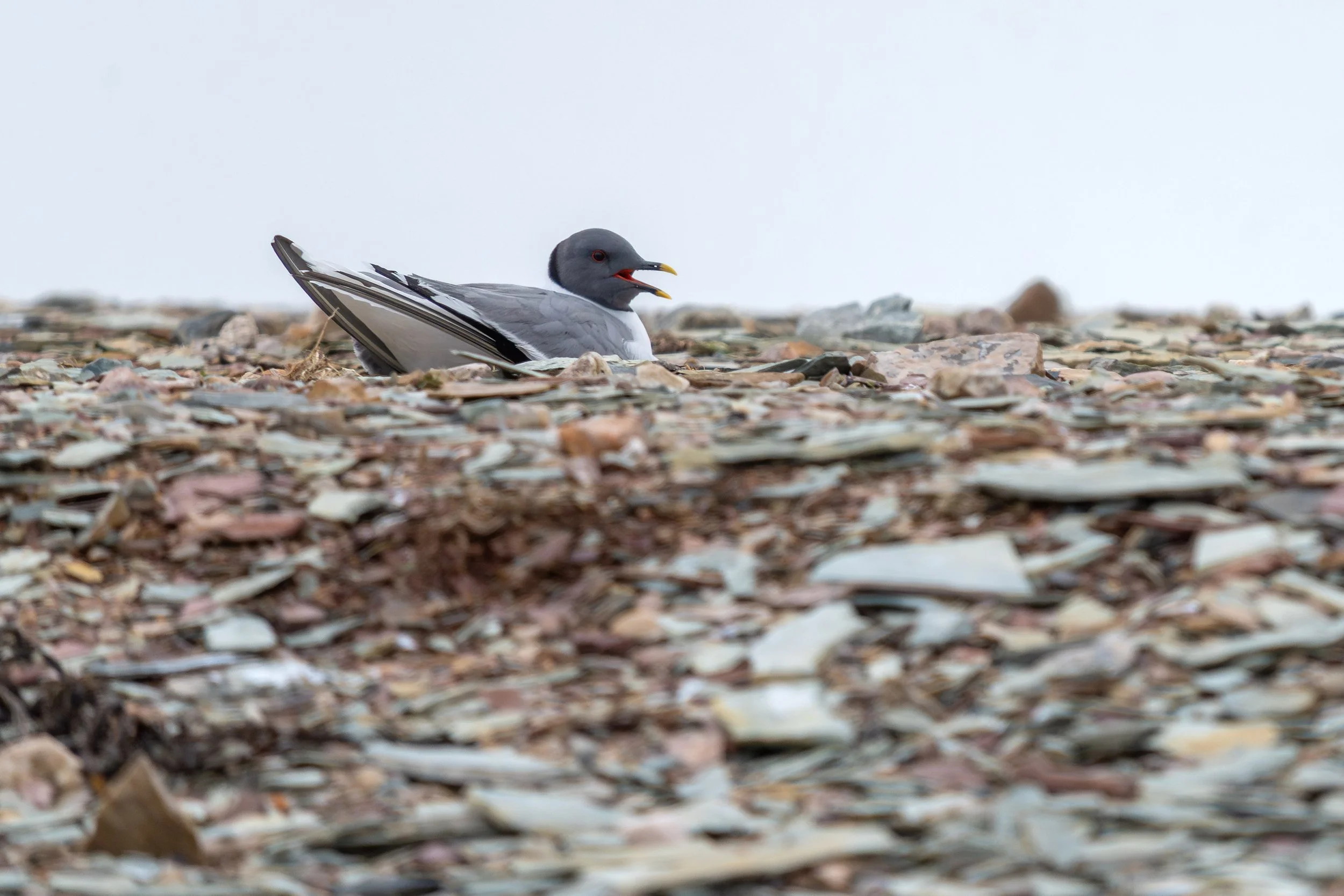
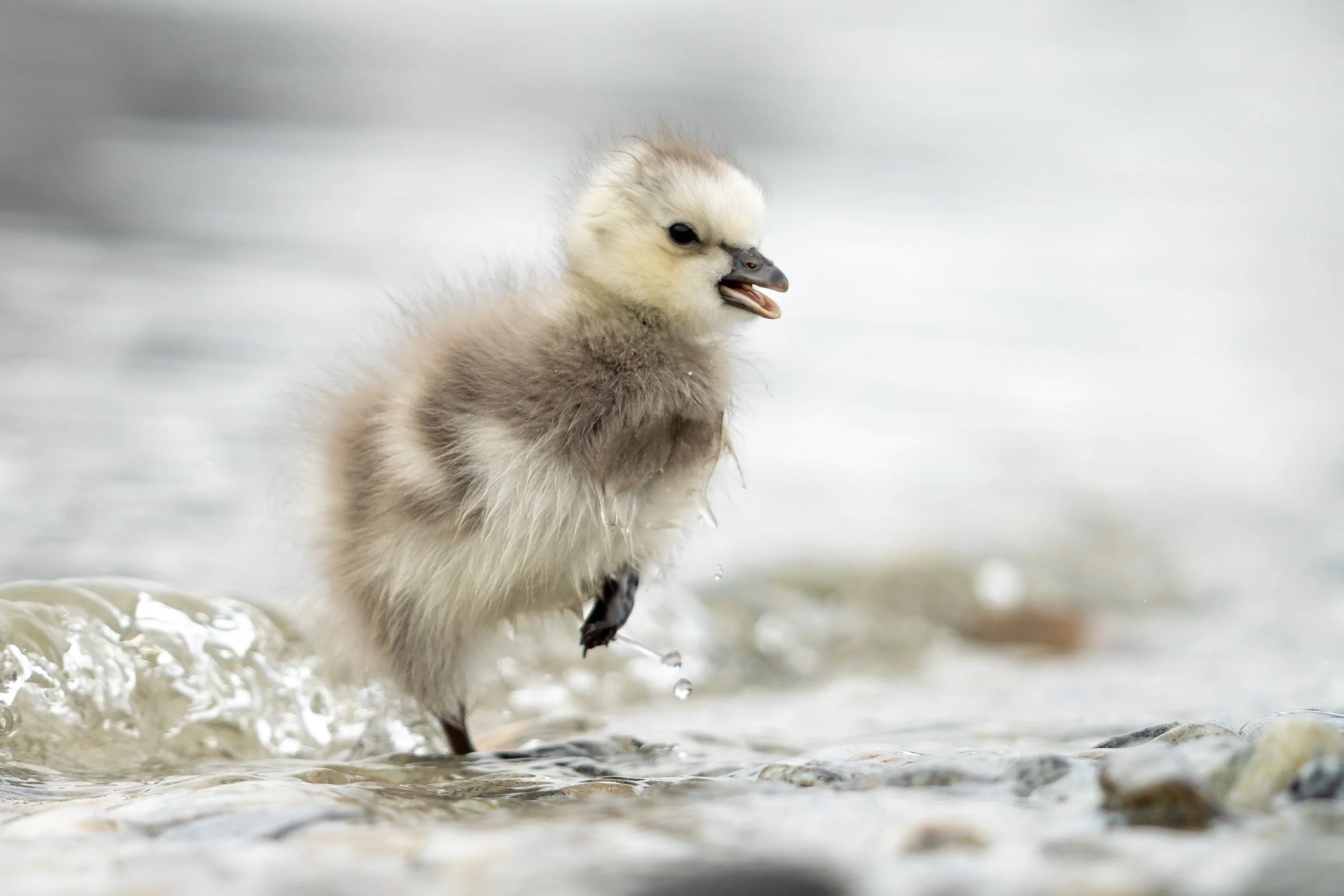
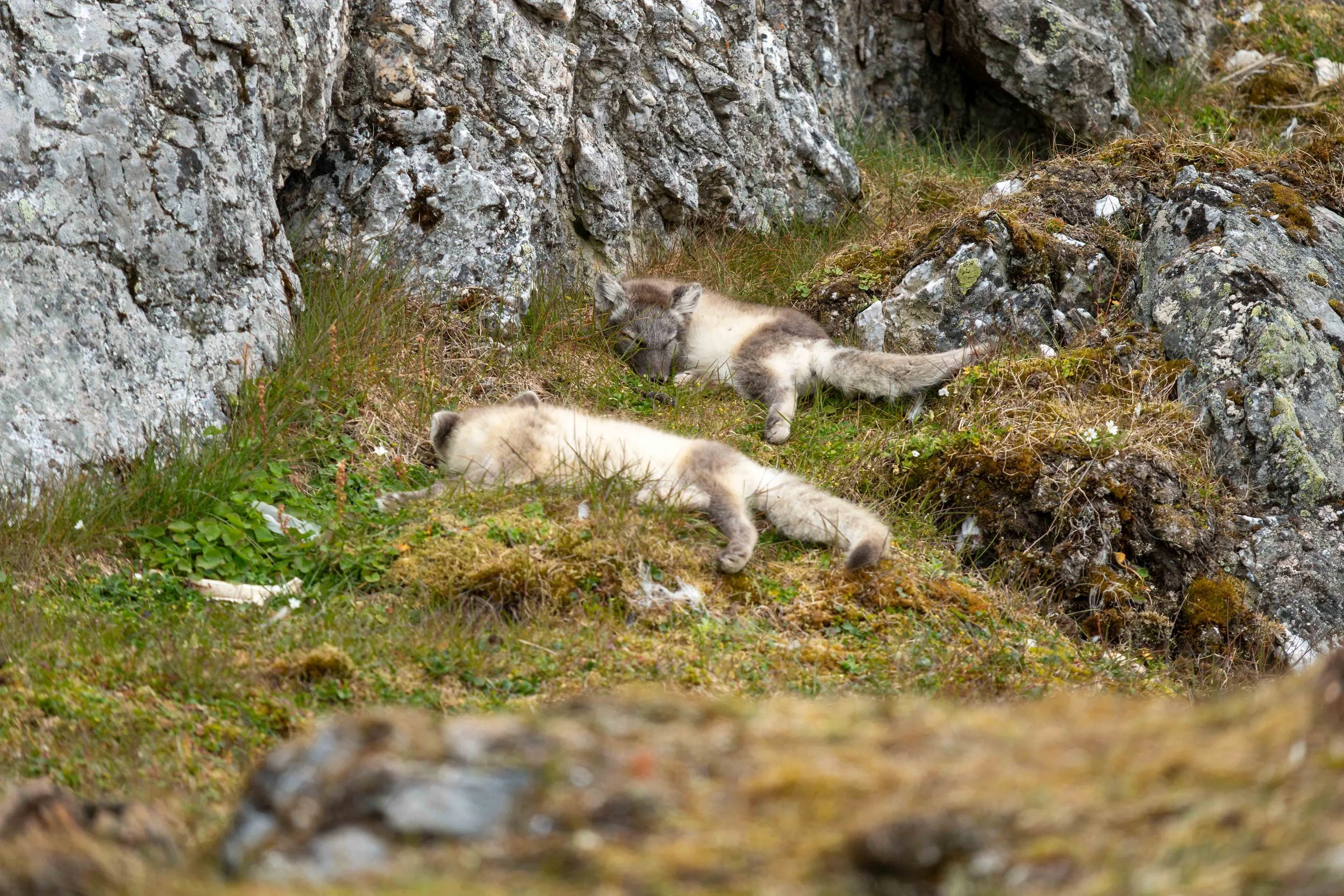
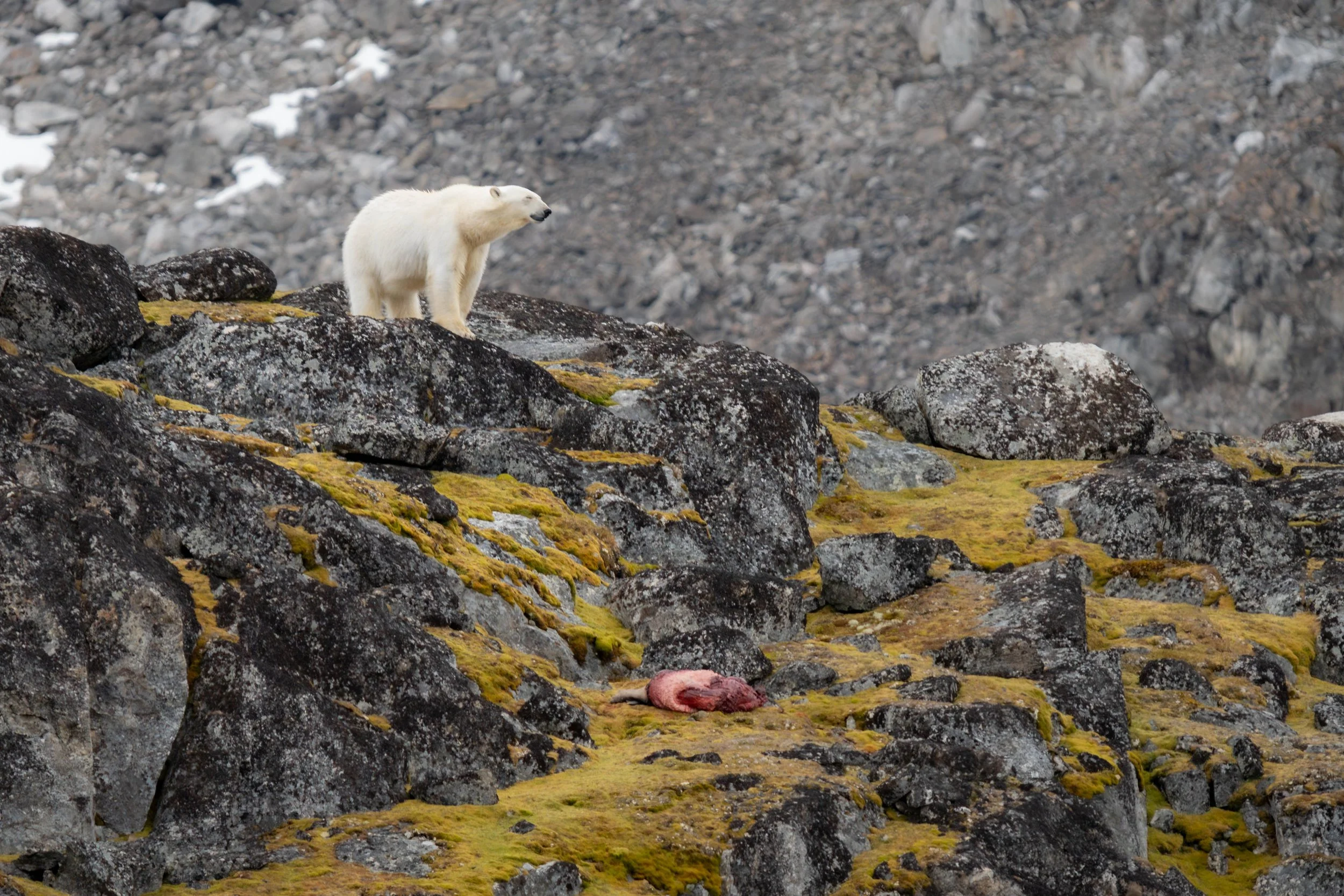
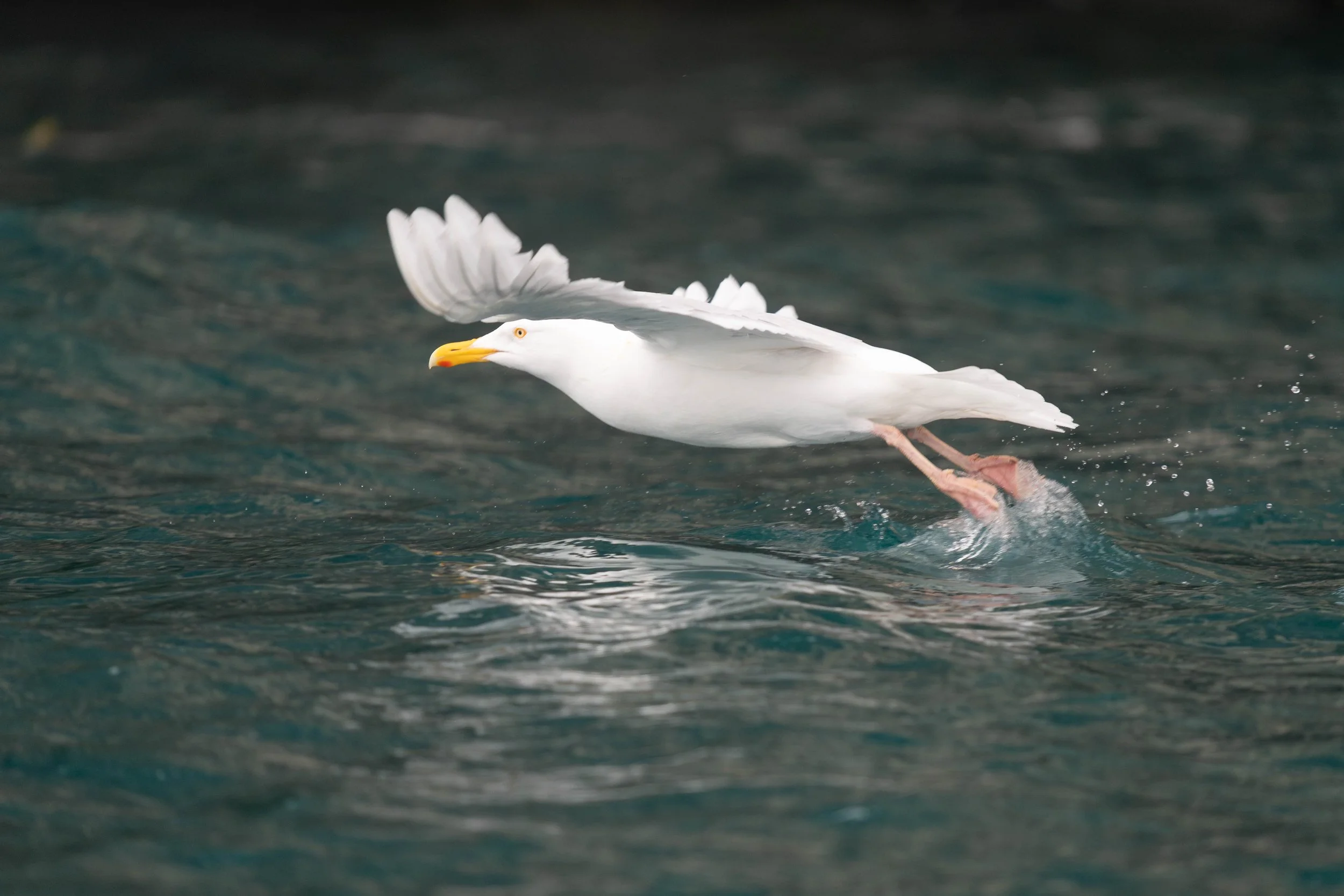
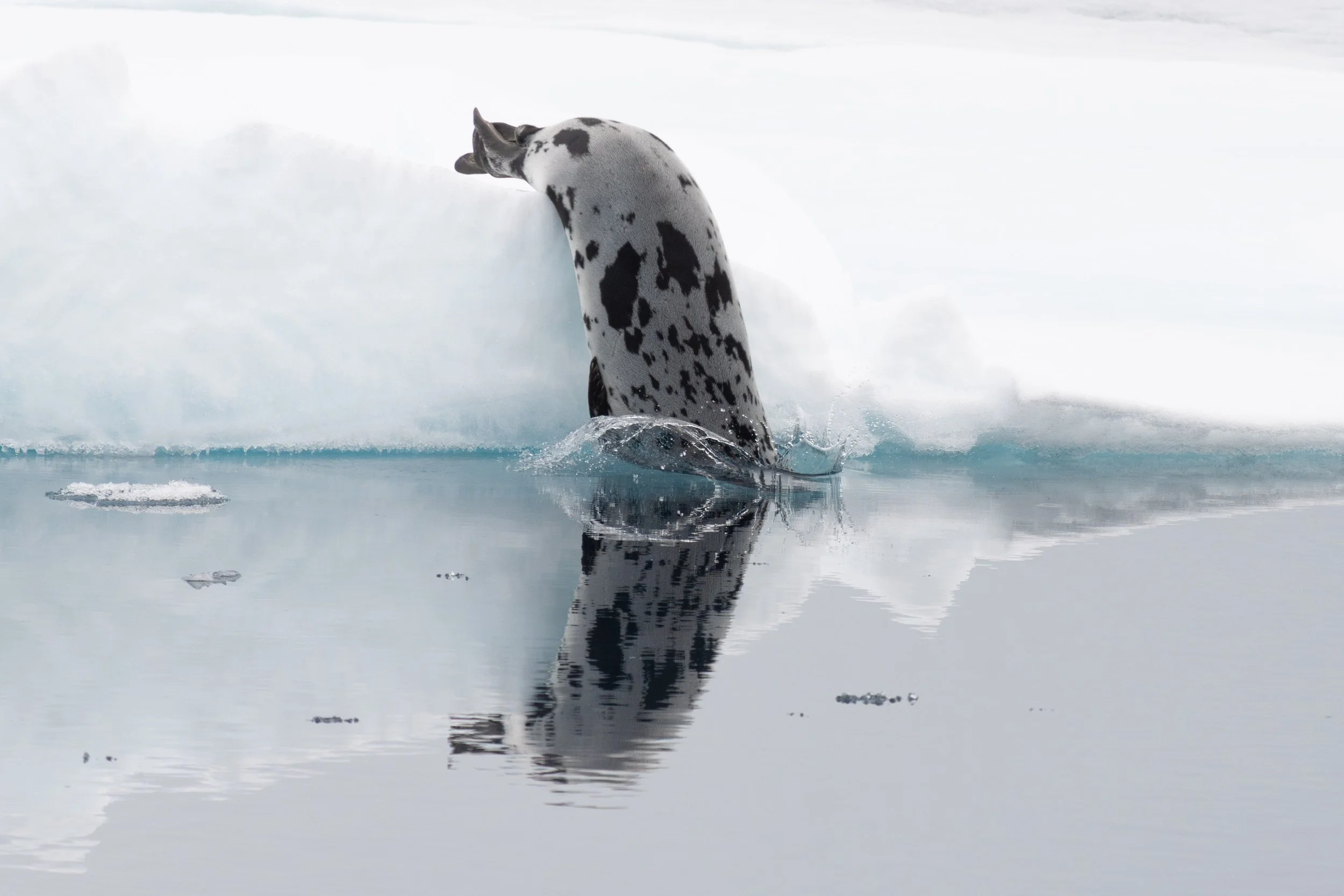
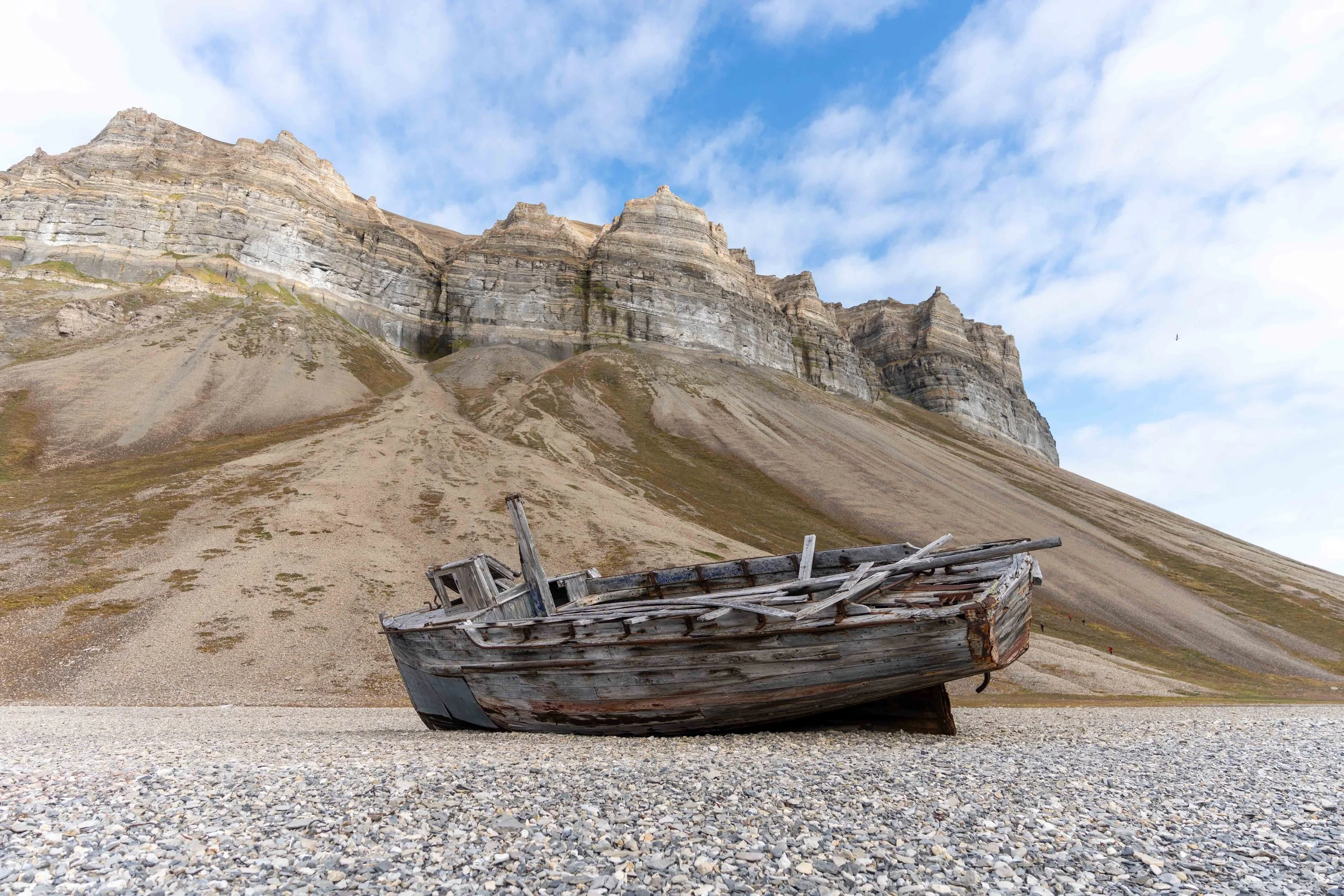
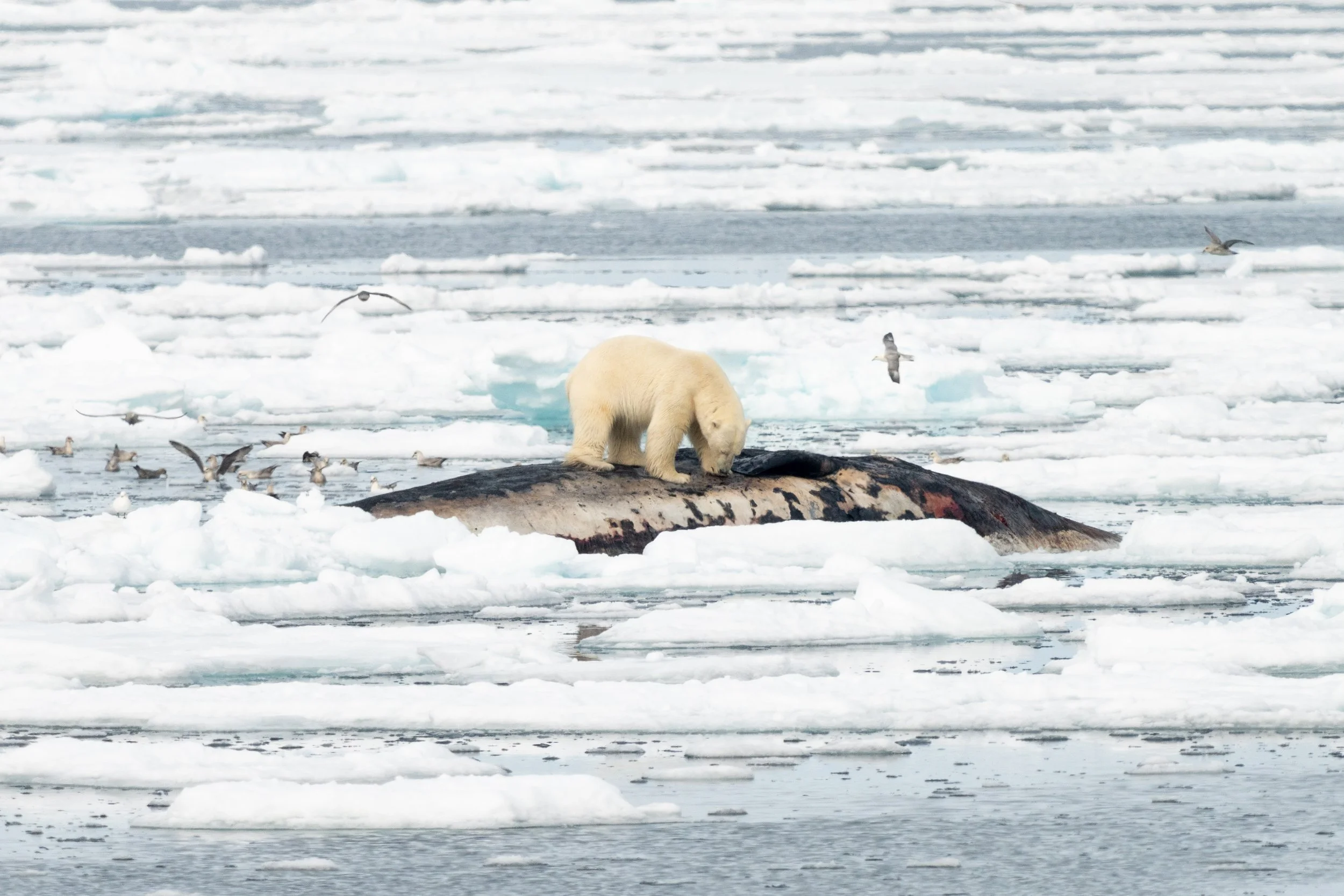
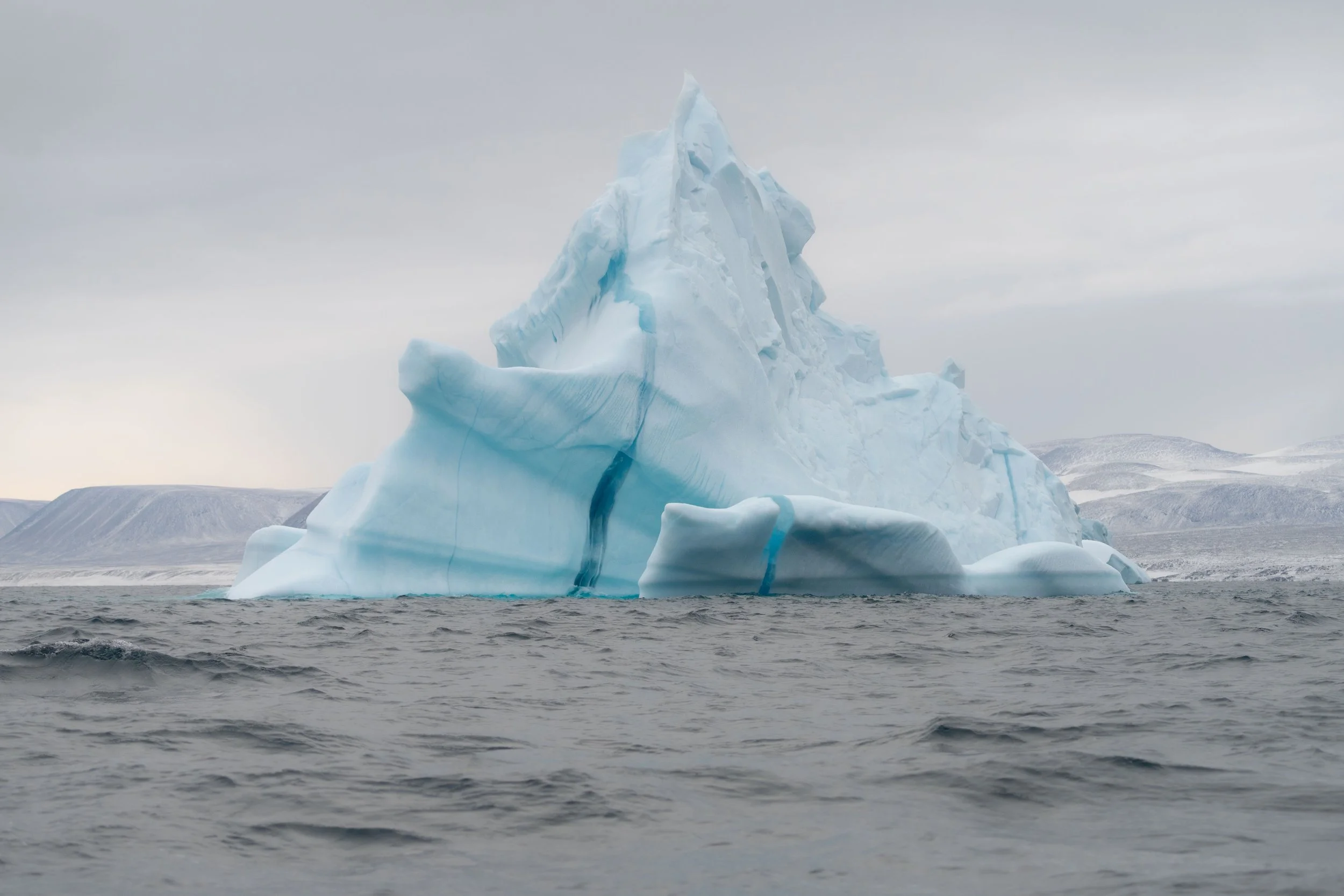
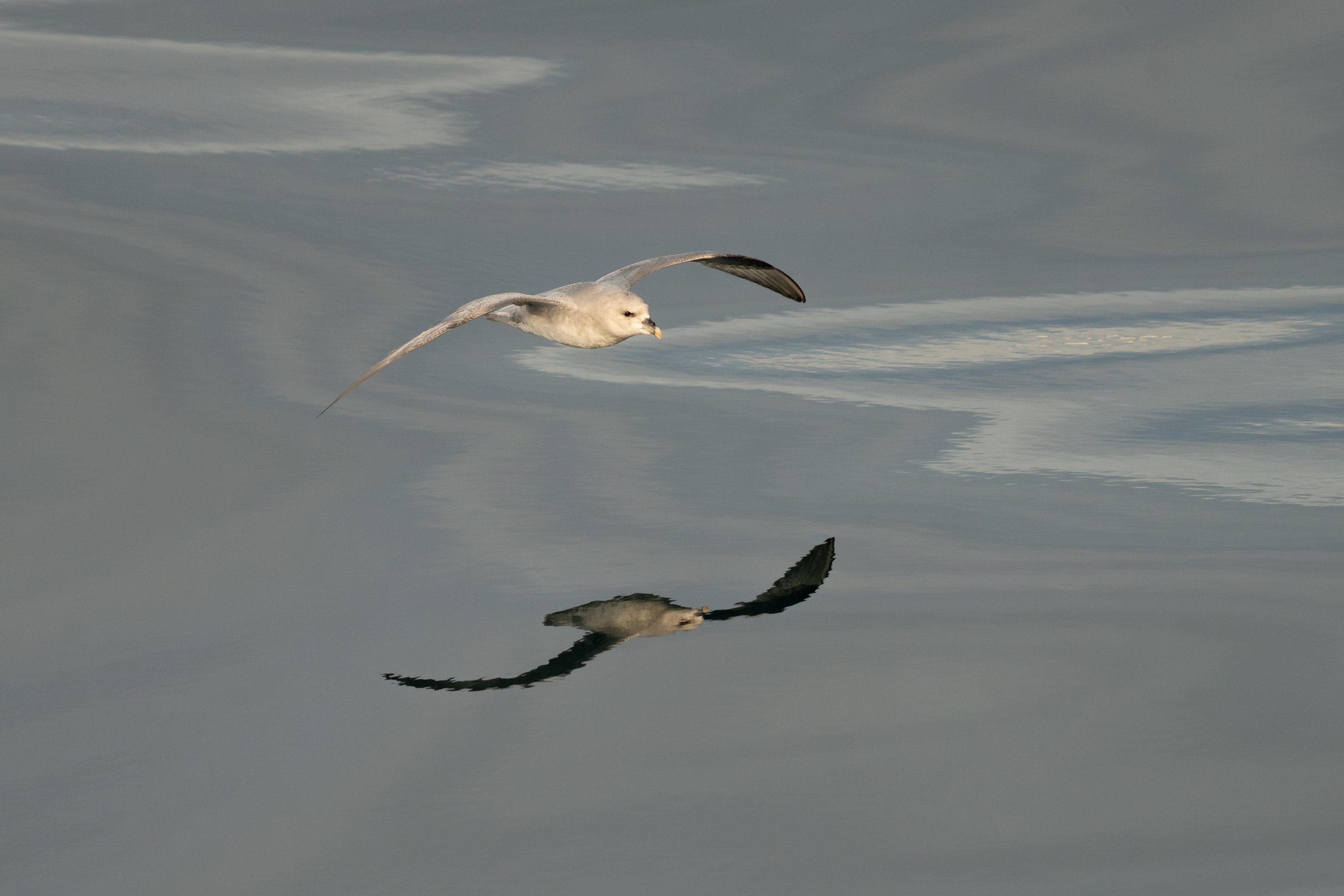
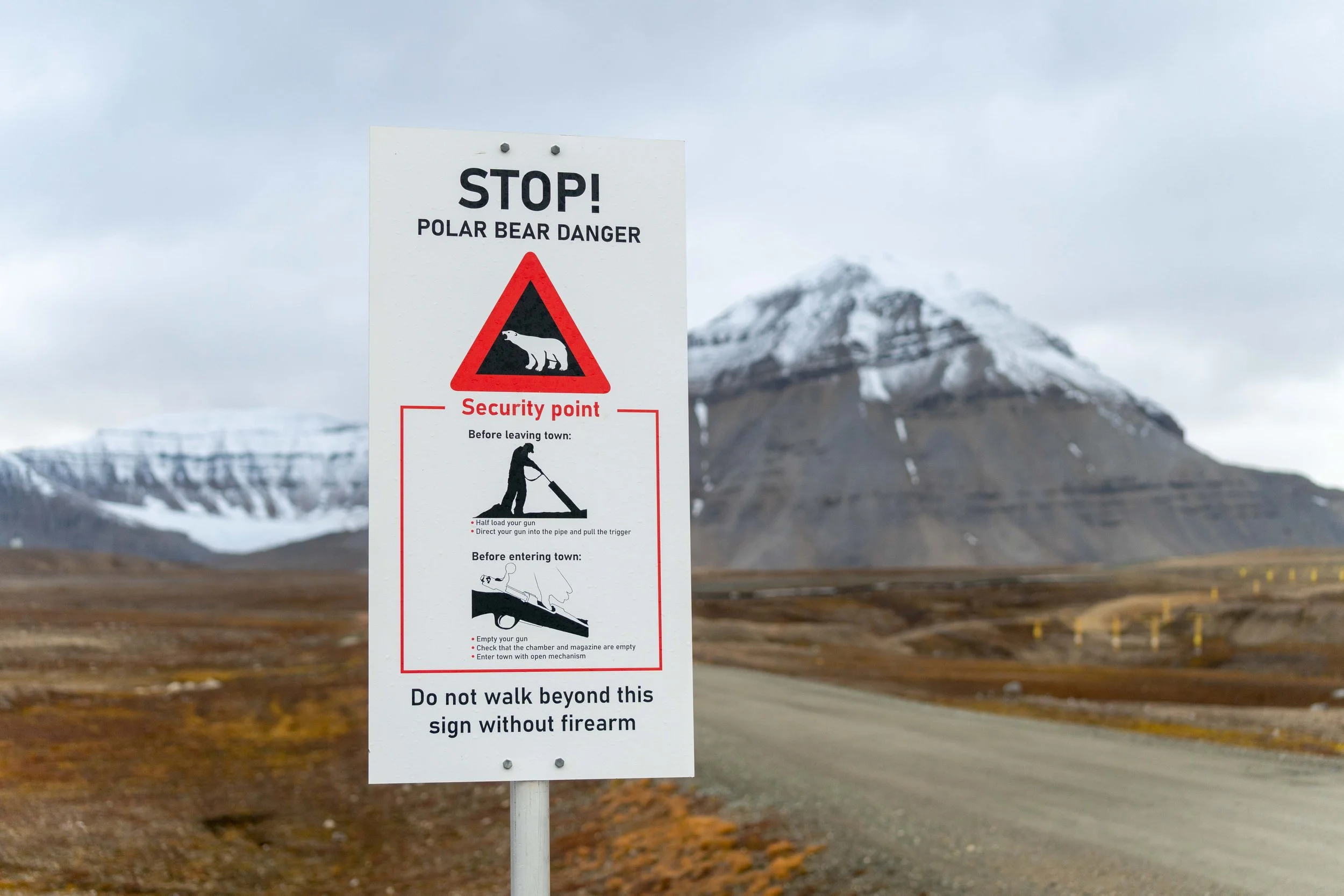
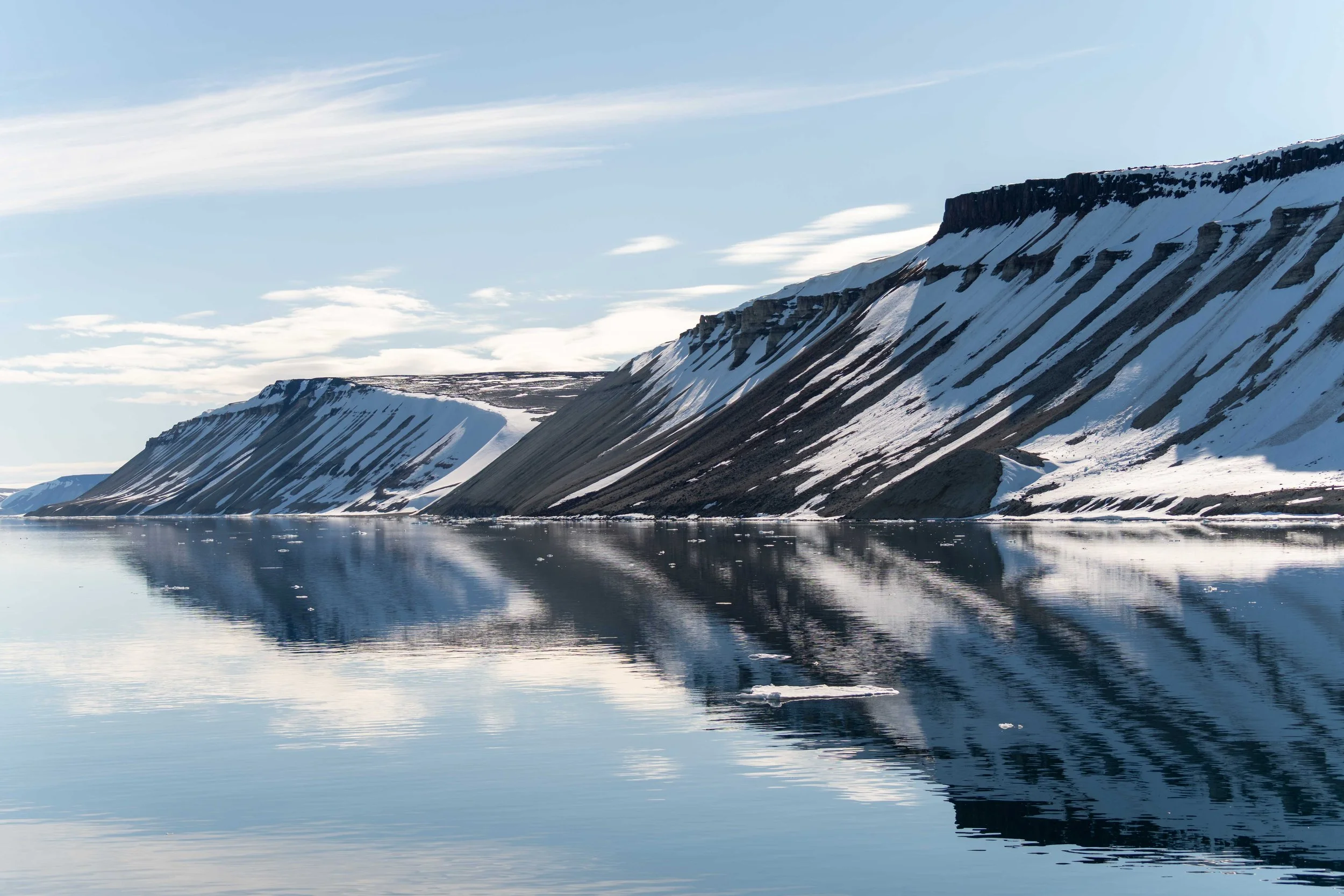
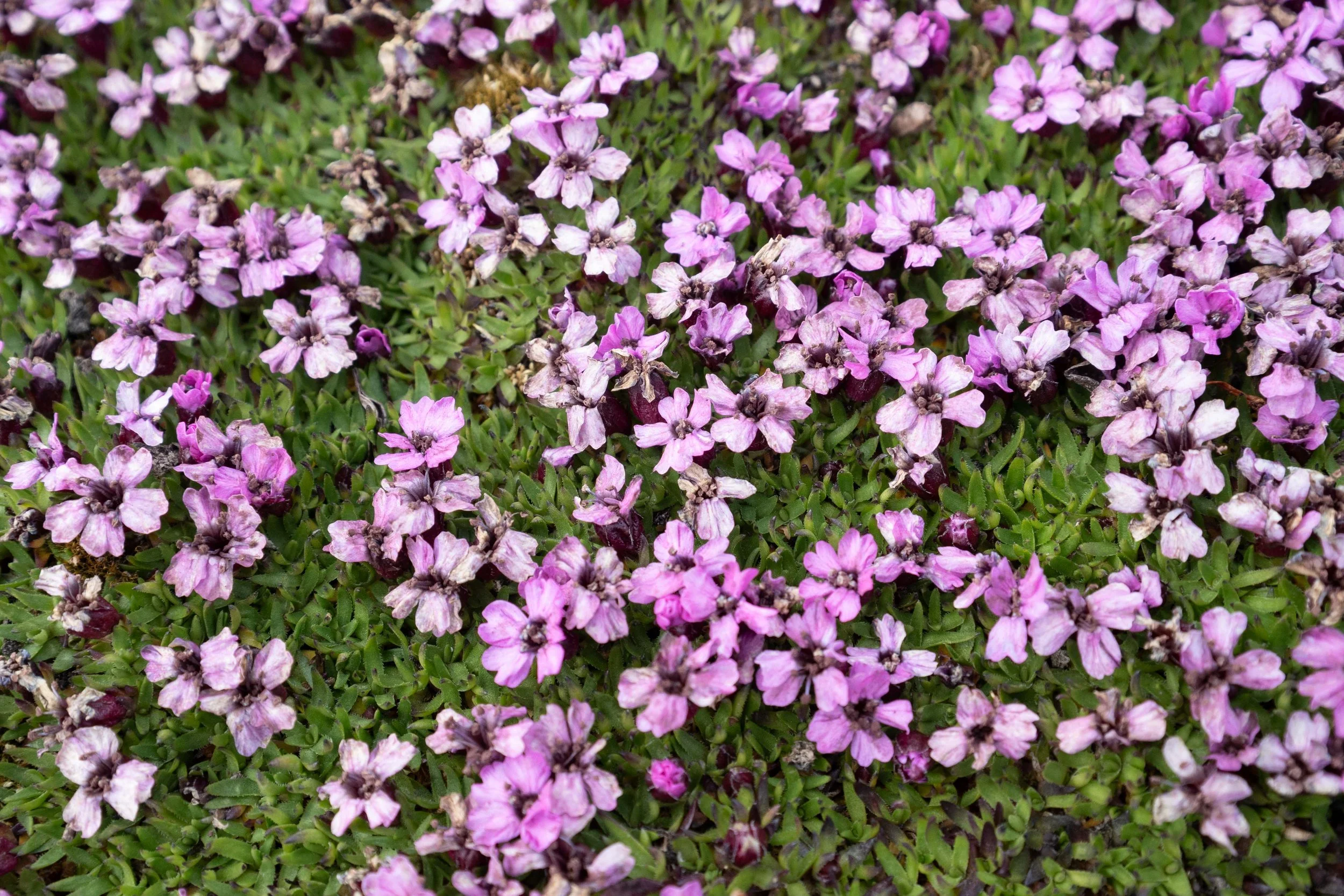
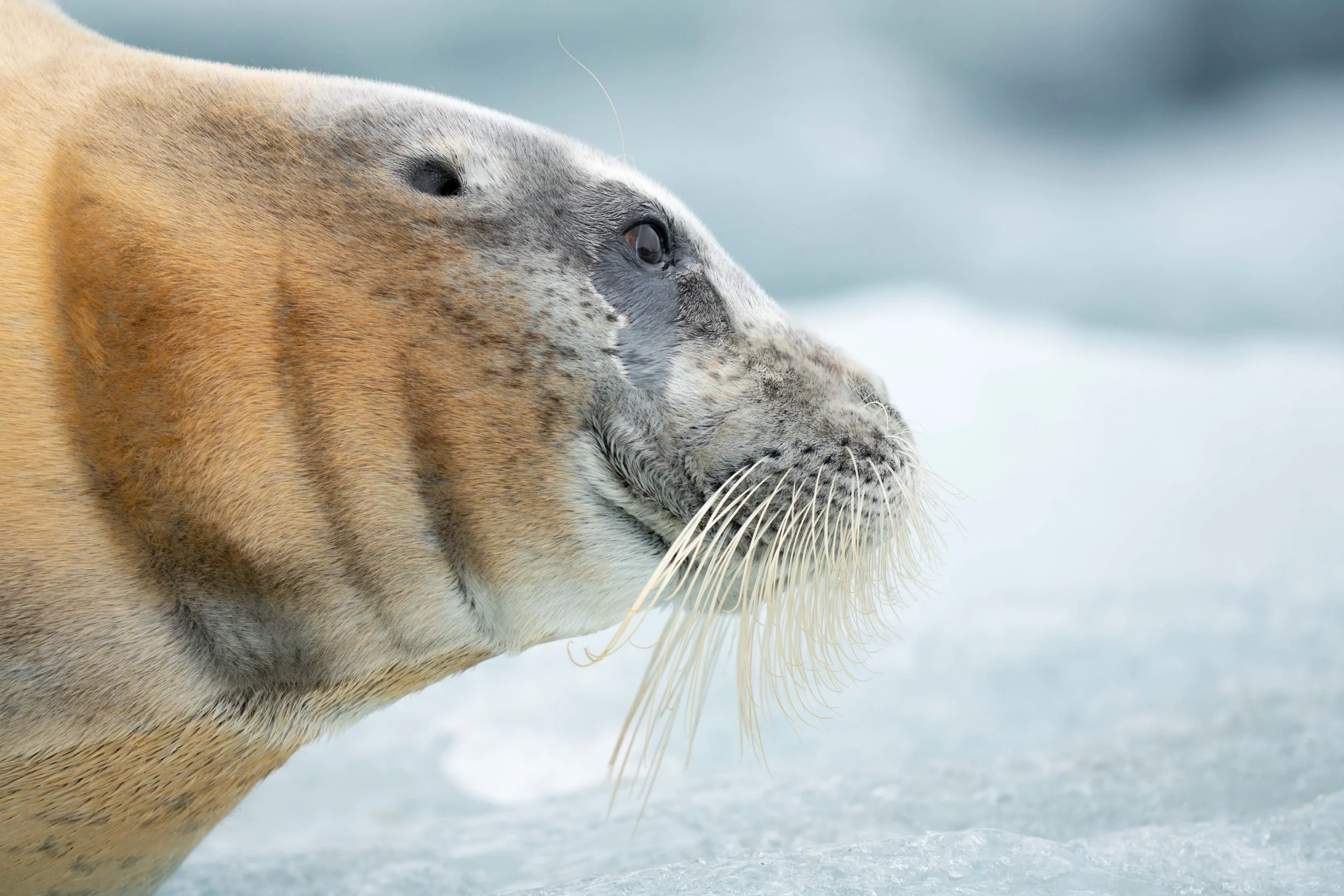
Images taken from my recent expeditions to Svalbard



Ready to explore the Wild North?
Interested in joining us? Get in touch, and we’ll help you with the pricing, cabin availability and everything you need to know before booking your place.
What type of trip is this?
This is a small-ship Arctic expedition focused on exploring Svalbard, its wildlife, landscapes and remote coastline. We’ll travel aboard M/S Quest, using Zodiacs to explore places that larger ships can’t reach.
Days will involve wildlife watching, Zodiac excursions, shore landings, walks and time on board taking in the scenery. The itinerary is flexible, with weather, sea ice and wildlife helping to shape where we go and what we do each day
Who is this trip for?
This trip is for anyone who’s curious about the Arctic and wants to experience Svalbard beyond the usual tourist routes. It’s a great fit if you’re interested in wildlife, remote landscapes, photography, adventure or simply exploring somewhere different.
You don’t need to be an experienced photographer, hiker or polar traveller. A sense of curiosity, a willingness to get outdoors, and an appreciation for the unpredictable nature of an Arctic expedition are all you need.
Why go with us?
We’re not just selling you a cabin on an expedition ship. We’re putting together a trip we’d genuinely want to go on ourselves, with a small group aboard M/S Quest and five experienced expedition guides on board.
I’ll also be travelling with our group, bringing five years of Arctic guiding experience, local knowledge and a passion for wildlife and photography. I’ll be photographing the voyage too, so you’ll come home with a gallery of images from the trip.